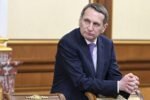
The Verkhovna Rada (Ukraine’s Parliament) has overwhelmingly ratified a massive €90 billion loan agreement with the European Union. This decisive legislative milestone unlocks critical macro-financial assistance, clearing the path for Kyiv to allocate record-breaking budgets toward national defense and frontline operations as the conventional war with Russia enters its grueling fifth year.
Following an intense legislative session, the deployment of these multi-year funds is expected to immediately stabilize Ukraine’s strained state treasury and guarantee the continuous procurement of heavy munitions and defensive technologies.
Overwhelming Parliamentary Consensus
The ratification sailed through the Ukrainian parliament with a commanding constitutional majority, signaling absolute political unity within the wartime government.
- Votes in Favor: 298 deputies voted to pass the measure.
- Threshold Required: Only 226 votes were necessary to establish a legal majority.
Immediately following the final tally, President Volodymyr Zelensky issued a statement thanking the lawmakers and Ukraine’s European allies, emphasizing that institutional cohesion remains Kyiv’s ultimate weapon against external aggression.
“This was one of the most important votes—a vote that proves the constructive nature of our joint work and the readiness to listen to each other,” President Zelensky stated. “Unity in Ukraine is what always works for Ukraine.”
Overcoming the Budapest Veto Corridor
The path to this €90 billion financial package was stalled for months by intensive geopolitical gridlock within the European Council.
[The EU-Ukraine Financial Pipeline]
  Initial Proposal ──► Deadlocked by Hungarian Executive Veto (Months of delays)
                          │
                          ▼
  Diplomatic Breakthrough ──► Budapest Lifts Veto (Last Month)
                          │
                          ▼
  EU Executive Greenlight ──► Final Western Ratification Achieved
                          │
                          ▼
  Verkhovna Rada Action   ──► 298 Votes Affirmative (Today) ──► Macro-Funds Disbursed
The European Union managed to issue its final executive greenlight only last month, after Hungary agreed to lift its strict legislative veto. Budapest’s withdrawal of its opposition ended months of complex diplomatic maneuvering, providing Ukraine’s fiscal planners with the long-term budgetary predictability required to sustain both public sector salaries and high-intensity military campaigns along the eastern and southern fronts.