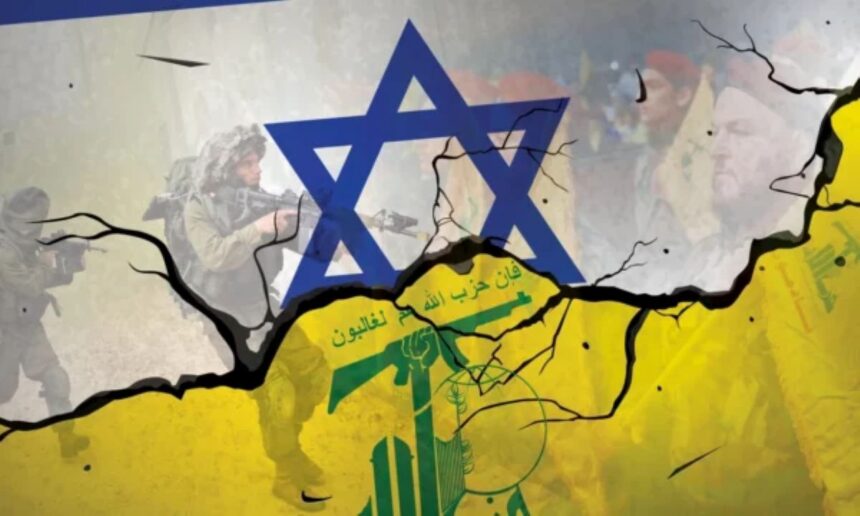
The United States has launched an urgent diplomatic intervention, proposing a two-stage “gradual de-escalation” roadmap to halt the rapidly intensifying conflict between Israel and Hezbollah in Lebanon. The diplomatic surge on Monday, June 1, 2026, follows a severe deterioration of the security landscape after Israeli Prime Minister Benjamin Netanyahu ordered a resumption of heavy airstrikes targeting Beirut.
The expanded Israeli offensive was triggered by a dramatic military development over the weekend, in which Israel Defense Forces (IDF) troops captured the historic Beaufort Castle (Qalaat al-Shaqif) in southern Lebanon. The operation marks Israel’s deepest ground incursion into Lebanese territory in more than a quarter of a century, dating back to the military withdrawal in 2000.
The American Roadmap: A Synchronized Freeze
U.S. Secretary of State Marco Rubio initiated direct, high-stakes telephone consultations with Lebanese President Joseph Aoun and Israeli Prime Minister Benjamin Netanyahu to salvage parallel peace talks currently underway in Washington.
According to senior diplomatic sources, the emergency proposal drafted by the White House outlines a reciprocal, two-step framework:
- Phase One (Hezbollah): The Iran-backed militant group must immediately suspend all rocket, missile, and kamikaze drone launches directed at communities in northern Israel.
- Phase Two (Israel): In exchange for a verifiable halt to Hezbollah’s rocket fire, Israel will commit to freezing further military operations and airstrikes within the urban municipal boundaries of Beirut, specifically targeting the southern suburb of Dahiyeh.
While Lebanese President Joseph Aoun has signaled his willingness to advance the proposal, deep internal friction remains. Parliament Speaker Nabih Berri has insisted that Israel must halt its ground offensive first, while Hezbollah officials are reportedly preparing to formally reject the format, arguing that the Lebanese executive branch has failed to protect the country’s sovereignty through bilateral negotiations.
Strategic Importance of Beaufort Castle
The capture of Beaufort Castle by Israeli forces is being viewed by military analysts as a major tactical shift in the border war. Built by the Crusaders in the 12th century, the fortress commands a rocky ridge over 700 meters above sea level, directly overlooking the Litani River and the Nabatiyeh plateau.
[Geostrategic Positioning of Beaufort Castle]
            Elevation: ~717m Above Sea Level
                           |
         +-----------------+-----------------+
         |                                   |
         v                                   v
[Visual Overlook of South Lebanon]   [Fire-Control Dominance]
Monitors tactical troop movements   Blinds Hezbollah's launch points
toward the Litani River.             and pushes rocket range backward.
For the IDF, the fortress serves as a critical asset for “terrain denial,” blinding local Hezbollah observation posts and structurally disrupting the militant group’s launch sectors. Prime Minister Netanyahu declared the castle’s capture a turning point, instructing the military to “deepen and expand our presence in locations that were previously under the absolute control of Hezbollah.”
Emergency UN Security Council Session
The violent escalation has triggered widespread international alarm, prompting the UN Security Council to convene an emergency closed-door session today in New York.
The extraordinary meeting was requested by France, which historically acts as a diplomatic guarantor for Lebanese stability. French President Emmanuel Macron issued a fierce condemnation of the ground incursion, stating that “nothing justifies” the systemic violence and the violation of Lebanon’s territorial integrity.
Macron also revealed that he conducted a lengthy phone call with U.S. President Donald Trump regarding the crisis. According to the French leader, Trump reconfirmed his administration’s commitment to the sovereignty and territorial integrity of Lebanon, even as White House officials continue to signal that Washington does not expect Israel to absorb continuous cross-border rocket fire without executing a robust military response.