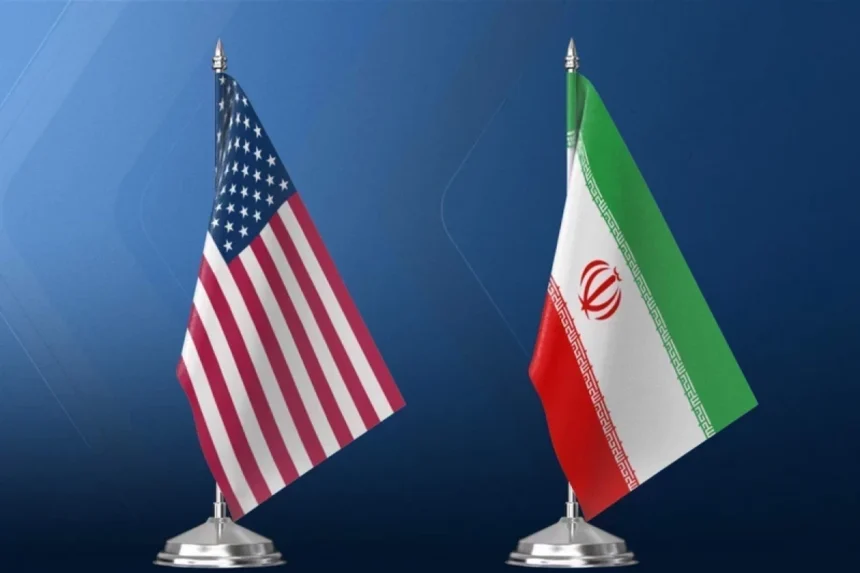
In a critical development for the escalating conflict in the Middle East, Iranian Supreme Leader Ali Khamenei has officially approved the dispatch of a high-level delegation to Pakistan to engage in direct negotiations with the United States. This diplomatic surge comes as the region teeters on the edge of a total resumption of hostilities.
U.S. Vice President JD Vance is expected to arrive in Islamabad as early as Tuesday for these high-stakes discussions. Joining the Vice President are senior envoy Steve Witkoff and Presidential Advisor Jared Kushner, signaling the Trump administration’s intent to reach a decisive resolution before a looming military deadline.
A Deadline Under Pressure
The diplomatic mission follows a period of heightened tension where both Washington and Tehran accused one another of violating the terms of a fragile, temporary truce. President Donald Trump has maintained a firm stance, extending the original Tuesday ceasefire deadline to Wednesday evening while simultaneously warning of a new wave of strikes against Iranian infrastructure—including power plants and bridges—should the talks collapse.
Iran is expected to be represented at the table by Parliament Speaker Mohammad Bagher Ghalibaf. Sources indicate that the Iranian diplomatic corps moved forward with the meeting only after receiving a personal mandate from the Supreme Leader, overcoming significant internal pressure from the Islamic Revolutionary Guard Corps (IRGC), which had lobbied for a refusal of dialogue until the U.S. naval blockade was lifted.
Key Points of Negotiation
The agenda in Islamabad is expected to be dominated by several volatile issues:
- The Strait of Hormuz: Reopening the vital shipping route currently crippled by a U.S. naval blockade and IRGC threats.
- Nuclear Guarantees: Addressing U.S. demands for strict limitations on Tehran’s nuclear program.
- Frozen Assets: Finalizing the mechanisms for the release of Iranian funds currently held in international accounts.
- Regional Ceasefire: Transitioning the current “phase one” truce into a sustainable, long-term cessation of hostilities.
Global Economic Implications
The uncertainty surrounding the Strait of Hormuz continues to exert immense pressure on the global economy. With oil tankers avoiding the passage, global energy prices have surged, prompting international mediators from Pakistan, Egypt, and Turkey to intervene. These nations have reportedly spent hours urging Tehran to seize this diplomatic window to prevent further economic and military escalation.
While analysts suggest a comprehensive peace treaty is unlikely within the current 24-hour extension, a successful “temporary breakthrough” in Islamabad could provide the justification for President Trump to further delay renewed military action.