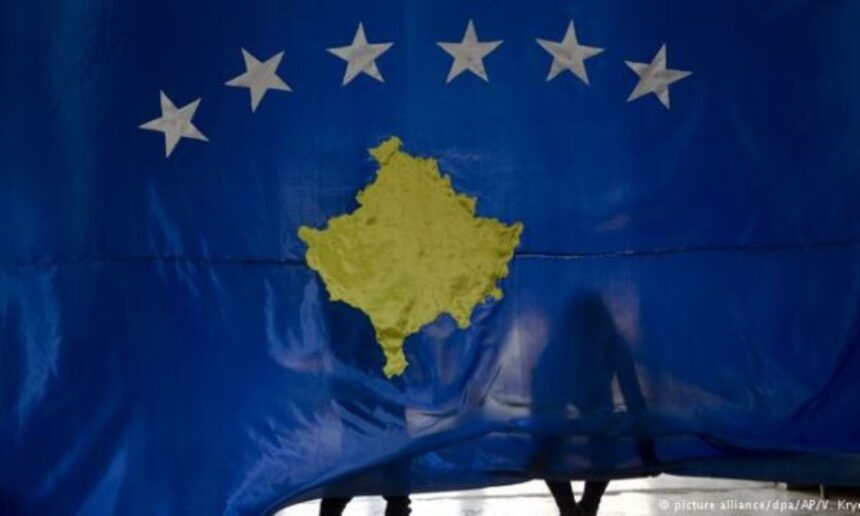
In a landmark achievement for regional child welfare, the Republic of Kosovo has become the first state in the Balkans—and the seventh globally—to have its national commitments accepted under the Global Charter on Children’s Care Reform.
The Ministry of Labor, Family, and Veterans’ Values announced that its formal proposal, which outlines five key national commitments for the 2026–2028 period, has been fully accepted by the Government of the United Kingdom, which oversees the initiative. These commitments are designed to align with existing legislation on family and child protection while introducing modern, integrated reform strategies.
Five National Priority Pillars
The accepted reform agenda focuses on transforming the care system from institutionalized settings to family-centered environments. The priority areas include:
- Prevention of Family Separation: Implementing proactive measures to keep children with their biological families whenever safe and possible.
- Integrated Community Services: Developing a network of local services that support both children and families within their own communities.
- Expansion of Alternative Care: Scaling up family-based alternatives, such as foster care, for children who cannot live with their parents.
- System Digitalization: Modernizing data management to ensure accurate tracking and protection of every child within the system.
- Professional Capacity Building: Strengthening the expertise and resources of social workers and child protection professionals.
A Momentum for Change
Ministry officials emphasized that this achievement is the result of close cooperation with UNICEF in Kosovo. By adopting global best practices, Kosovo aims to ensure that every child grows up in a safe, nurturing, and supported family environment.
The Ministry’s statement highlighted that this step marks a “significant momentum” in solidifying the nation’s legal mechanisms. As one of only seven countries worldwide to reach this stage of the Charter, Kosovo is positioning itself as a regional leader in the global movement to end the institutionalization of children and prioritize the family unit as the foundation of child development.