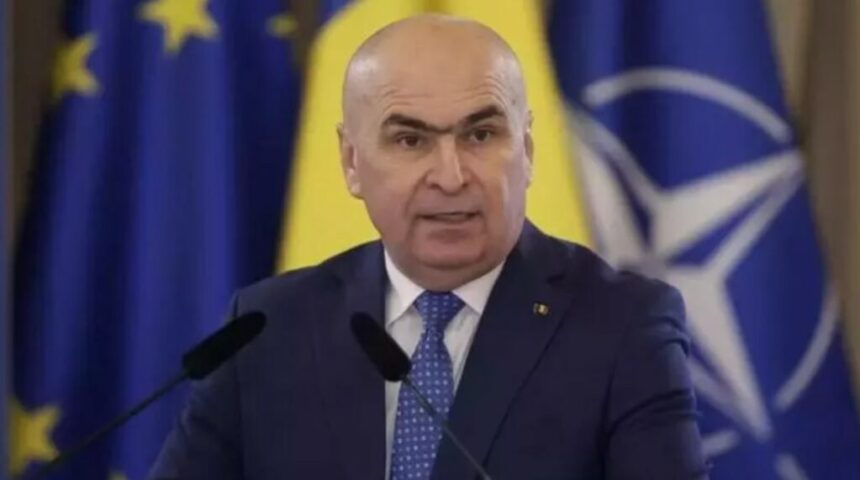
The European Union’s recent optimism following political shifts in Hungary is being rapidly overshadowed by a developing political crisis in Romania. As regional stability remains fragile following the victory of pro-Kremlin candidate Rumen Radev in Bulgaria, Romania is now facing a potential government collapse that could empower far-right factions.
The Social Democratic Party of Romania (PSD) announced that it will withdraw its six ministers from the governing coalition by the end of the week. This move effectively strips the government of its primary legislative support, plunging the nation into uncertainty.
Internal Fractures and Austerity
Sorin Grindeanu, leader of the PSD, justified the withdrawal by accusing Prime Minister Ilie Bolojan of implementing harsh economic austerity measures. “PSD can no longer remain a hostage while our social base is being destroyed,” Grindeanu stated.
The PSD currently holds 93 of the 331 seats in the Chamber of Deputies, making it the cornerstone of the coalition led by Bolojan’s National Liberal Party. Despite the withdrawal, Prime Minister Bolojan has refused to resign, even as the PSD and the radical right-wing Alliance for the Union of Romanians (AUR) prepare motions of no confidence.
The Rise of the Far Right
The political vacuum comes at a time when the AUR, led by George Simion, is surging in the polls with approximately 35% support. If early elections are triggered—which would be a historical first for Romania—far-right and nationalist forces could potentially secure up to 40% of the vote.
Pro-European President Nicușor Dan has explicitly ruled out appointing a Prime Minister backed by the far right, but a fragmented parliament could lead to a protracted period of ungovernability.
Economic and Strategic Risks
The crisis poses an immediate threat to Romania’s financial standing and its relationship with Brussels:
- Budget Deficit: Romania recorded the highest budget deficit in Europe in 2025, reaching 7.65%.
- EU Funding at Risk: The country risks losing roughly €11 billion from the EU Recovery Fund if essential reforms are not met by August.
- Regional Security: As a key NATO and EU member on the eastern flank, prolonged instability in Bucharest concerns international partners who viewed the country as a pillar of stability against Russian influence.
While President Dan has attempted to reassure global markets by emphasizing that “predictability still exists on key issues,” the prospect of a nationalist-led parliament represents a significant challenge for the European Union, which had hoped for a more cohesive Eastern Europe in 2026.