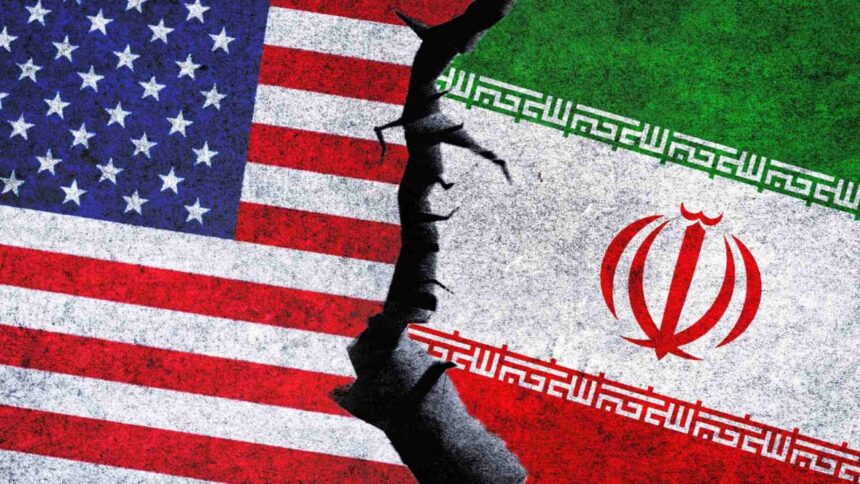
Rival blockades in the strategic Strait of Hormuz are increasingly hindering progress in negotiations, with neither United States nor Iran showing signs of backing down, according to an analysis by BBC.
Washington reportedly believes that the heavy economic toll caused by the disruption will force Tehran back to the negotiating table and push it to accept U.S. terms. Iran, however, is already experiencing significant economic strain, reflected in rising prices and job losses, which are fueling public concern.
Despite these pressures, Iranian leadership appears determined to resist. Officials in Tehran believe they can withstand the current situation and expect the U.S. to concede first.
Efforts to break the deadlock are ongoing, with Pakistan playing a key mediating role. Diplomatic channels remain active, but progress has been limited.
Iranian negotiator Mohammad Bagher Ghalibaf accused the U.S. of violating the fragile ceasefire, citing what he described as a blockade of Iranian ports and repeated threats by Donald Trump to launch military strikes. He characterized these actions as major obstacles to “genuine negotiations.”
Under the terms of the ceasefire, Iran is expected to ensure the full reopening of the maritime corridor. However, analysts suggest Tehran is likely to comply only under conditions that align with its own strategic interests.
The standoff underscores the fragile balance in one of the world’s most critical energy transit routes, with global implications for security and economic stability.