In a significant escalation of transatlantic tensions, U.S. President Donald Trump has threatened to withdraw American military forces from Italy and Spain. The warning follows a major diplomatic rift regarding the ongoing U.S.-Israeli military operations against Iran, which began on February 28, 2026.
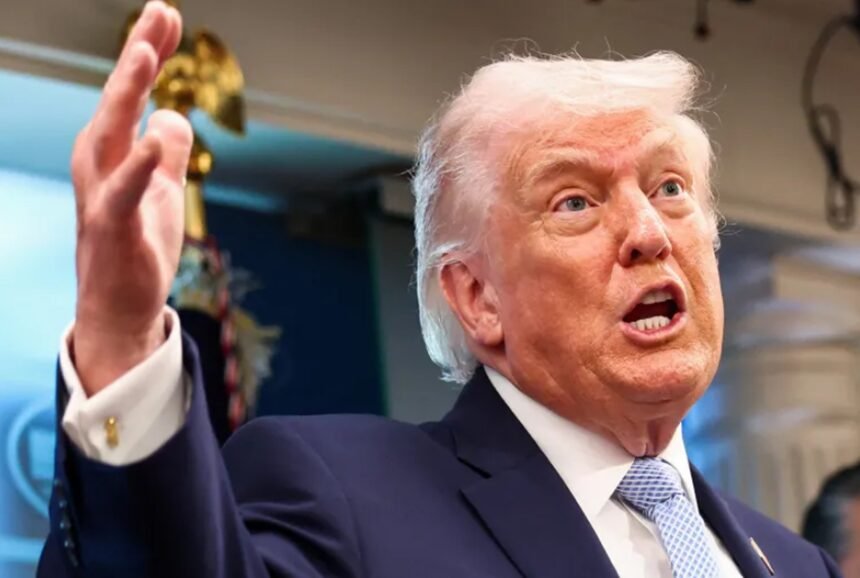
Speaking to reporters in the Oval Office on Thursday, April 30, and reiterated in reports on Friday, May 1, 2026, Trump lashed out at his European allies for their refusal to support U.S. naval operations aimed at reopening the Strait of Hormuz.
“Absolutely Horrible”: The President’s Critique
When asked if he was considering a drawdown of the approximately 13,000 U.S. troops in Italy and the forces stationed at Spain’s strategic naval and air bases, the President was blunt.
“Probably. Look, why shouldn’t I? Italy has not been of any help to us and Spain has been horrible, absolutely horrible,” Trump stated.
Key Points of Contention:
- Base Denials: In March 2026, Italy denied U.S. aircraft carrying weapons for the Iran conflict the use of the Sigonella airbase in Sicily. Similarly, Spain’s Prime Minister Pedro Sánchez refused to allow U.S. forces to use the joint bases at Rota and Morón for strikes against Iran.
- The Strait of Hormuz: Trump has criticized NATO allies for failing to send their navies to assist in securing the crucial shipping corridor, which has been largely blocked since the conflict began.
- The “German Precedent”: These threats come just one day after Trump confirmed he is reviewing a reduction of the 36,000 U.S. troops based in Germany, following public disagreements with German Chancellor Friedrich Merz.
Italy and Spain Respond
The European response has been a mix of confusion and firm adherence to international law.
- Italy: Defense Minister Guido Crosetto told the ANSA news agency that he “doesn’t understand the reasons” for the threat. He rejected claims that Rome had not helped, noting that Italy had made itself available for missions to protect merchant shipping, though it remained critical of direct offensive strikes in Iran.
- Spain: Prime Minister Pedro Sánchez has emerged as one of the most vocal critics of the war in Europe, stating that Spain’s position is based on “absolute cooperation with allies, but always within the framework of international law.”
The Future of NATO in 2026
The current friction represents one of the most severe rifts in NATO’s history. Reports have surfaced of an internal Pentagon memo outlining options to “punish” uncooperative allies, including the potential suspension of Spain from the alliance and the imposition of trade embargoes.
| Country | U.S. Troop Presence (Est. 2026) | Strategic Assets at Risk |
| Germany | 34,500 – 36,000 | Ramstein Air Base, EUCOM HQ |
| Italy | 12,000 – 13,000 | Sigonella (Sicily), Aviano (Friuli) |
| Spain | 3,200 – 4,000 | Naval Station Rota, Morón Air Base |
Analysis: A Shift in Global Strategy
Trump’s “America First” approach to the 2026 Iran war is fundamentally shifting the U.S. military footprint in Europe. By linking troop presence directly to active participation in Middle Eastern conflicts, the administration is challenging the decades-old premise of NATO as a defensive shield for Europe, transforming it instead into a transactional coalition.
As of May 1, the White House has not provided a specific timeline for the withdrawals, but the rhetoric suggests that a formal decision could be imminent if European leaders do not align with Washington’s naval strategy in the Persian Gulf.