A comprehensive report by The Balkan Report has detailed a sophisticated “architecture of espionage” orchestrated by Serbia, in close coordination with Russian strategic interests, aimed at destabilizing Kosovo and compromising international security missions.
The analysis suggests that Kosovo has entered a new phase of national security, moving from a reactive posture to an active counter-strategy aimed at exposing and neutralizing hybrid threats.
The Shift: From Military Secrets to Narrative Control
According to the report, modern espionage in the Balkans is no longer just about gathering tactical military data. Instead, information is being weaponized to:
- Construct Narratives: Distorting political reality to portray Kosovo as an unstable actor.
- Manipulate Perceptions: Influencing how the international community views the “suppression of Serbs” in Kosovo.
- Influence Decision-Making: Using gathered intelligence to shape the reports of international organizations.
Infiltration of International Missions
One of the most alarming revelations in the report is the extent to which Serbian intelligence has penetrated international organizations operating in Kosovo.
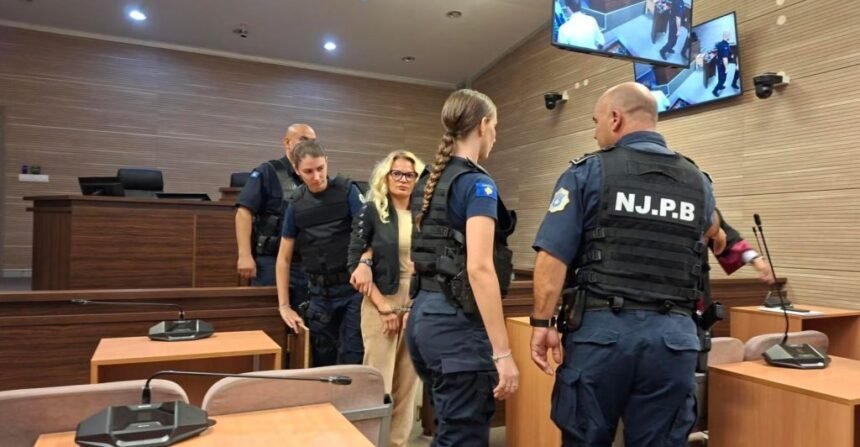
- Targeted Missions: Evidence from recent espionage trials—including those of Jelena Gjukanović and Aleksandar Vlajić—revealed that Serbian agents gained access to sensitive data involving KFOR, EULEX, UNMIK, and the OSCE.
- The “OSCE Filter”: The report highlights communications suggesting efforts to “consult” with Belgrade on OSCE reports before they are finalized. This attempt to introduce a political filter into neutral reporting aims to turn international documents into tools of Serbian political pressure.
The Russian Methodology
The report draws a direct line between Serbian operations and the Russian “Hybrid War” model used prior to the invasion of Ukraine.
- Fabricated Grievances: Just as Russia used “discrimination against Russians” as a pretext for war, Serbia utilizes the “oppression of Serbs” narrative.
- Institutional Capture: Infiltrating flexible organizations like the OSCE, which are more exposed to covert influence than more rigid structures like UNMIK.
- Hybrid Synchronization: Integrating traditional spying with media disinformation and diplomatic lobbying.
Kosovo’s Active Counter-Strategy
The Kosovo Intelligence Agency (AKI) has been credited with transforming these “invisible threats” into documented legal cases. By exposing these networks, Kosovo is creating a body of evidence that:
- Demonstrates active foreign interference in domestic affairs.
- Challenges baseless narratives with court-proven facts.
- Protects the integrity of international missions (KFOR/EULEX).
“Spionage is transformed from a secret activity into a mechanism that produces direct consequences in diplomacy. When propaganda is masked as impartial analysis, it becomes the most sophisticated form of influence.” — The Balkan Report
Key Espionage & Security Cases (April 2026)
| Case | Status | Impact |
| Aleksandar Vlajić | Convicted | First major conviction for espionage in Kosovo. |
| Jelena Gjukanović | Investigation/Trial | Exposed links between local intelligence and Belgrade’s propaganda wing. |
| Banjska Attack (2023) | 3 Defendants Convicted | Documented the kinetic (armed) aspect of hybrid operations. |
| Zveçan Violence | Slobodan Radenković sentenced | Targeted attacks on KFOR and Police now being prosecuted. |
The report concludes that while the challenge remains significant, Kosovo’s ability to document and prosecute these infiltrations is essential to protecting its international standing and internal stability.