The Southern Interconnection gas pipeline project designed to connect Bosnia and Herzegovina to a liquefied natural gas (LNG) terminal in Croatia has emerged as a critical test of the country’s commitment to European standards and its path toward the European Union.
Strategically, the project is intended to reduce Bosnia’s heavy dependence on Russian gas, aligning with broader European efforts to diversify energy sources following the Russian invasion of Ukraine. However, concerns from Brussels are not about the pipeline itself, but rather the manner in which it is being implemented.
A key point of contention is the decision by Bosnian authorities to designate AAFS Infrastructure and Energy a recently established U.S.-based company as the primary investor and operator, without a transparent public procurement process. This approach raises serious concerns regarding compliance with EU legal and regulatory frameworks, particularly those tied to the Energy Community, which Bosnia is obligated to follow.
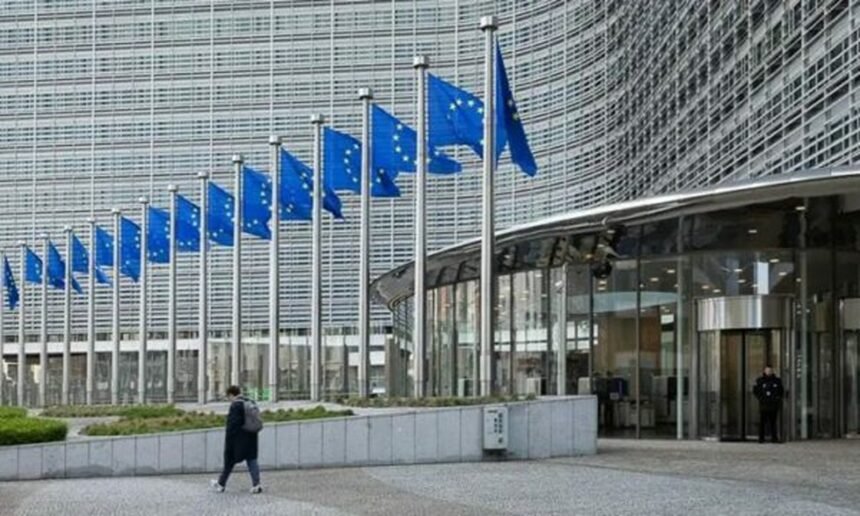
EU Ambassador Luigi Soreca has emphasized that failure to adhere to these standards could jeopardize Bosnia’s progress toward EU membership.
Further scrutiny has come from civil society. Representatives of Transparency International have warned that bypassing competitive procedures and transparency requirements could establish a dangerous precedent, undermining governance standards and public trust. Questions have also been raised about the company’s technical capacity, the origin of its reported investment, and potential political connections, including links to figures associated with Donald Trump.
Bosnia’s EU integration process, already marked by slow reforms and internal political divisions, now faces additional pressure. Although the country applied for EU membership in 2016, obtained candidate status in 2022, and opened accession talks in 2024, progress remains fragile. Analysts such as Berta López Domenech note that adherence to EU standards particularly in rule of law and transparency is essential for advancing negotiations.
Beyond political implications, there are significant financial risks. Bosnia could forfeit substantial EU funding, including approximately €374 million under the EU Growth Plan, if it fails to meet required reform benchmarks.
Ultimately, the controversy surrounding the Southern Interconnection pipeline reflects a broader strategic dilemma: whether Bosnia will align fully with EU norms and governance principles, or allow opaque decision-making processes to shape critical national projects potentially at the cost of its European future.