Prosecution for Organized Crime (TOK) Issued Eight Unheeded Requests to Interrogate Chinese Contractors; Ministry of Interior Ignored Them All
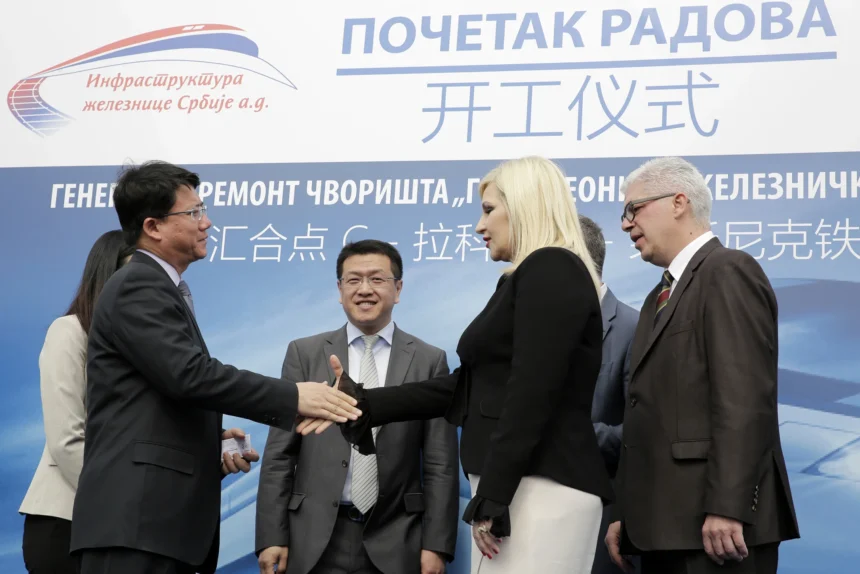
An investigation by Radar has revealed a systematic obstruction of the corruption probe into the reconstruction and modernization of the Novi Sad–Hungarian border railway line. The Prosecution for Organized Crime (TOK) confirmed that the Ministry of Internal Affairs (MUP) ignored eight separate requests to question responsible persons within Chinese companies involved in the project.
According to TOK, between September 2025 and March 2026, the MUP failed to act on repeated mandates to collect information from contractors. A new, consolidated request was finally sent to the Service for Combating Organized Crime (SBPOK) and the Tax Police on April 7, following a high-level meeting.
The Scale of the Financial Scandal
The investigation into financial malpractice runs parallel to the criminal proceedings regarding the tragic 2024 canopy collapse at the Novi Sad Railway Station, which claimed 16 lives.
While 14 individuals have been arrested in the corruption case—including former ministers Tomislav Momirović and Goran Vesić—not a single Chinese citizen or legal representative of the primary contractors, CCCC and CRIC, has been questioned to date.
Financial Allegations at a Glance:
- Total Budget Damage: $115.5 million (USD) loss to the Serbian state budget.
- Illicit Gain: At least $18.7 million in illegal benefits allegedly secured for the Chinese consortium.
- Cost Overruns: The reconstruction of the Novi Sad station building, initially budgeted at €4.7 million, skyrocketed by nearly 300% to a final invoiced total of $18.7 million.
A “Shield” for Foreign Contractors?
The slowdown of the investigation coincided with the withdrawal of MUP and Tax Administration representatives from the “Strike Group” dedicated to the case.
Furthermore, Vladimir Obradović, a member of the Inquiry Committee investigating the canopy tragedy, alleged on national television that President Aleksandar Vučić personally promised the Chinese Ambassador on the day of the disaster that no Chinese consortium members would be held responsible. Neither the Presidency nor the Chinese Embassy has refuted this claim.
Key Findings of the TOK Investigation
The “Order to Conduct an Investigation” obtained by Radar highlights several alarming administrative maneuvers:
- Unauthorized Agreements: In October 2022, high-ranking officials Anita Dimoski and Nebojša Šurlan signed an agreement for “supplementary works” worth $112 million without a formal government decision and contrary to the advice of the supervisory body.
- Inflated “Effort” Fees: Officials reportedly increased the “indirect cost” fee paid to Chinese companies from 5% to 12%, justifying the extra millions as compensation for the “contractors’ effort” in communicating with cultural heritage institutes.
- Subcontracting Anomalies: The Serbian firm Starting, a major subcontractor, allegedly entered negotiations with Chinese partners despite lacking the capacity for such a complex project.
The EU vs. China Cost Gap
The project has faced long-standing criticism regarding its financing. While the European Union was prepared to fund a similar modernization project for approximately €330 million, Serbia opted for a partnership with Chinese firms that has already exceeded $1.2 billion.
Current Status
Former ministers Vesić and Momirović remain under investigation but are currently free. Legal experts suggest that the recent adoption of the so-called “Mrdić Laws” has further complicated the prosecution’s ability to retain specialized prosecutors on the case.
As the May 22 deadline for other regional energy and infrastructure shifts approaches, the TOK maintains that all responsible parties, including foreign subcontractors, will eventually be examined. However, the current lack of cooperation from the police remains the primary hurdle in bringing the case to trial.