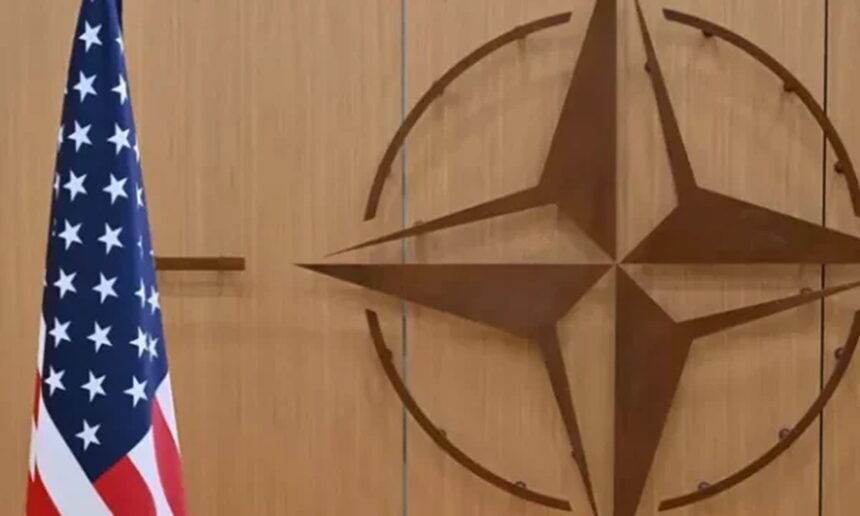
The United States has officially informed its allies that it intends to drastically reduce its contribution to NATO armed forces, opening the door to a new era in which Europe must carry the main weight of conventional security on the continent.
This strategic shift was presented by Alexander Velez-Green, the envoy of US Secretary of Defense Pete Hegseth, during a confidential meeting of NATO defense policy directors held on Friday in Brussels.
Scope of the cuts: from combat fleets to drones
According to data reported by the German magazine Der Spiegel, the US plan foresees significant reductions in military assets, although no final list or timeline has been confirmed. Reported cuts include:
- A one-third reduction in the combat fleet
- Withdrawal of two aircraft carriers and a noticeable reduction in strategic bombers
- Deployment of fewer destroyers and ending the provision of US submarines in European crisis scenarios
- Full transfer of reconnaissance drone supply responsibilities to European allies
Despite this conventional force reduction, the US nuclear umbrella remains unchanged and is not subject to review.
NATO and US position: “fairer burden sharing”
NATO spokesperson Allison Hart described the move as a necessary adjustment of internal alliance balance, emphasizing Europe’s historical reliance on Washington.
“The NATO Force Model provides the overall framework for national forces to be made available to the Alliance: historically, there has been an over-reliance on US capabilities. However, as Europe and Canada invest more in defense, the balance of responsibility may shift,” she said.
US Secretary of State Marco Rubio warned that this adjustment process cannot continue indefinitely, calling for “concrete measures” from European allies at the upcoming Defense Ministers’ meeting on 18 June, ahead of the “historic” Ankara summit where the plan is expected to be finalized.
No gaps in deterrence
Senior military officials sought to reassure allies that deterrence will not be weakened. NATO Supreme Allied Commander Europe (SACEUR), General Alexus Grynkewich, is closely monitoring developments to ensure no capability gaps emerge.
Similarly, Military Committee Chair Admiral Giuseppe Cavo Dragone rejected claims of a US withdrawal from Europe:
“This is not a disengagement, but rather a more balanced distribution of responsibilities,” he said, adding that European allies will assume greater duties as part of an ongoing realignment that also reflects US priorities in the Indo-Pacific.