Budapest has signaled a major foreign policy pivot by indicating it will abandon its long-standing blockade against Ukraine’s European Union membership bid. The breakthrough opens the door for both Ukraine and Moldova to officially launch substantive accession negotiations this month.
In a historic shift for European Union enlargement, Hungary is moving toward lifting its persistent opposition to Ukraine’s EU integration process. The diplomatic breakthrough is expected to clear the path for the official launch of formal membership talks for both Ukraine and Moldova during an upcoming intergovernmental conference in Luxembourg, projected for June 15.
According to a Politico report citing four European diplomats, Budapest has privately indicated its willingness to allow the opening of the crucial first thematic negotiation cluster. Because Ukraine and Moldova’s accession timelines are diplomatically linked, the shift effectively unblocks the path forward for both Eastern European nations.
A Hungarian official, speaking on the condition of anonymity, maintained a cautious public stance, noting that “a final agreement has not been reached, and negotiations are ongoing.” However, EU diplomats confirm that EU ambassadors are already moving rapidly to finalize a consolidated position by the end of this week.
Resolution on Ethnic Minority Rights
Budapest’s previous aggressive opposition—heavily maintained under the country’s former administration—primarily centered on intense disputes regarding the cultural and linguistic rights of the ethnic Hungarian minority residing in Ukraine’s Transcarpathia region.
The turning point followed a high-level meeting between Ukrainian and Hungarian experts. During the consultations, the Ukrainian delegation provided strong assurances and technical solutions addressing most items outlined in Budapest’s foundational 11-point minority protection plan.
Diplomats close to the talks noted that while some technical details require further alignment, Hungary’s approval is no longer contingent on Kyiv immediately enacting entirely new domestic legislation.
Unlocking Funds and Shifting Leadership
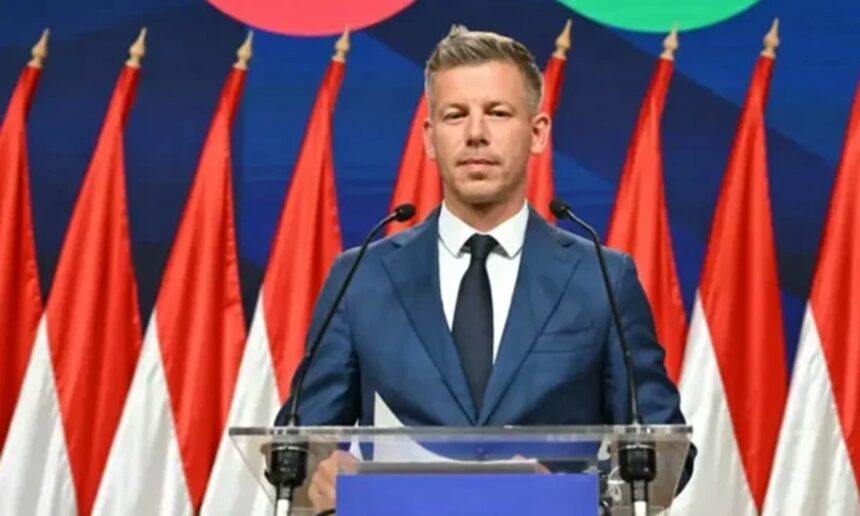
The diplomatic thaw coincides with a broader reset in relations between Budapest and Brussels under Hungary’s new government, led by Prime Minister Péter Magyar. The acceleration of the EU membership talks picked up momentum immediately following Magyar’s recent visit to Brussels to resolve frozen financial packages.
- Released Capital: The European Commission recently moved to unlock €16.4 billion in previously frozen recovery and cohesion funds for Hungary, following successful anti-corruption and rule-of-law reforms implemented by the new administration.
- Defense Funding Unblocked: Parallel to the accession talks, Budapest also ended its two-year blockade on the European Peace Facility, unblocking €6.6 billion in immediate military reimbursements to EU member states for equipment supplied to Ukraine.
Next Steps in the Accession Process
By the end of the week, EU ambassadors will evaluate Ukraine’s updated domestic reform timelines and minority rights guarantees to solidify a joint position.
Once approved, the official framework will be presented in Luxembourg. Under strict EU enlargement guidelines, opening any thematic negotiation cluster—covering foundational areas like the judiciary, economic benchmarks, and democratic institutions—requires the unanimous consent of all 27 member states. This structure ensures that while a major hurdle has been cleared, every member state retains veto power at subsequent stages of the integration process.