Kosovo received significant messages of support yesterday from European institutions and several U.S. officials, while simultaneously facing criticism over the country’s ongoing political deadlock.
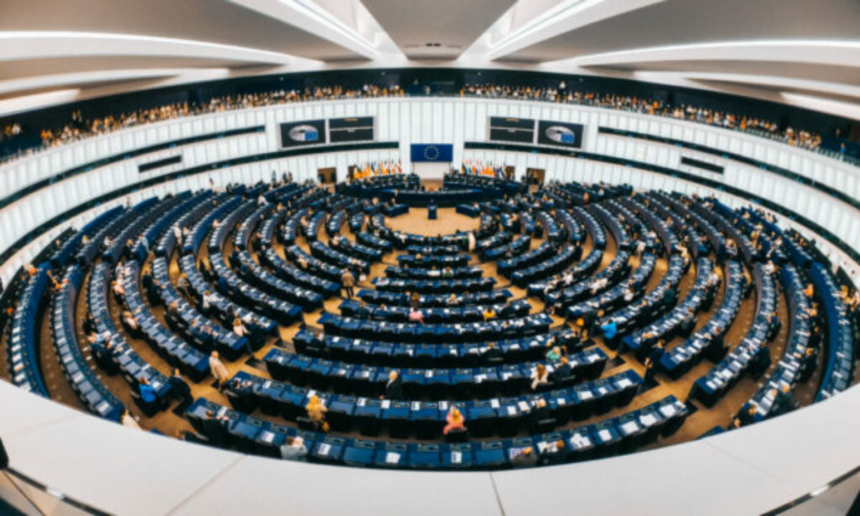
In Brussels, the European Parliament’s Committee on Foreign Affairs approved the report on Kosovo prepared by Riho Terras. The report acknowledges Kosovo’s progress but expresses concern over the continued political stalemate and delays in reform processes. According to the document, Kosovo has lost valuable time due to the incomplete functioning of its institutions, which could also affect its ability to take full advantage of opportunities offered by the European Union.
Nevertheless, the report supports Kosovo’s European path and calls on EU member states to advance procedures related to granting the country candidate status. It also welcomes the lifting of EU measures against Kosovo and reiterates the need to continue dialogue with Serbia. Furthermore, the report calls for those responsible for the attack in Banjska to be brought to justice.
Meanwhile, in Washington, Kosovo was discussed during a congressional hearing attended by U.S. Secretary of State Marco Rubio. Congressman Keith Self, following his recent visit to Kosovo and the region, advocated for Kosovo’s membership in NATO and described the Western Balkans as a region that remains sensitive from a security perspective.
Rubio stated that NATO enlargement is currently not among the alliance’s immediate priorities, but emphasized that this does not exclude the possibility of Kosovo joining the alliance in the future. He also reaffirmed the United States’ commitment to maintaining stability and security throughout the Western Balkans.
At the same time, a resolution was introduced in Congress by Keith Self, together with Ritchie Torres and Mike Lawler, supporting Kosovo’s membership in NATO and describing it as important for security in Southeastern Europe.