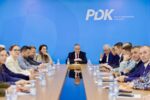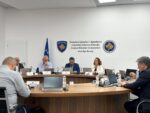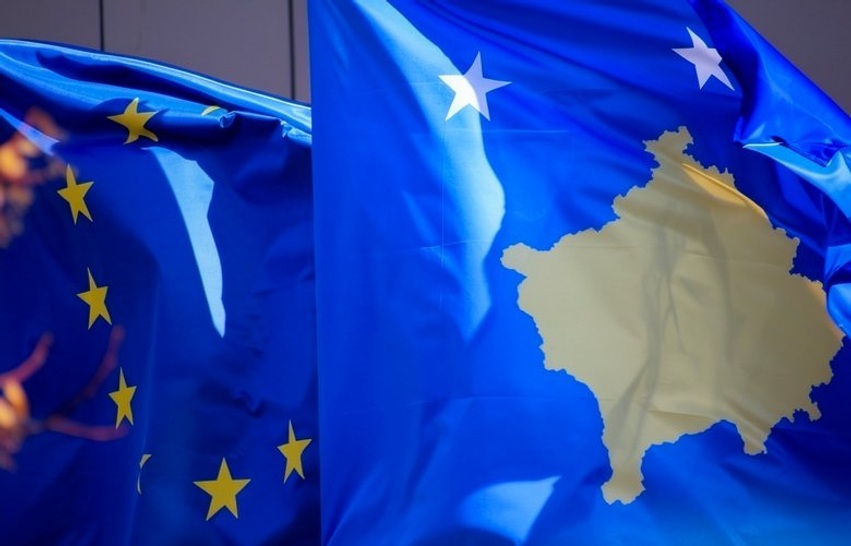
Institutional integration between Pristina and Brussels reached a critical operational milestone as the first official meeting of the EU–Kosovo Monitoring Committee convened to oversee the implementation of the landmark Reform and Growth Facility (RGF).
The high-level session, which opened promptly at 09:00 AM at the government headquarters, marks the official activation of a binding framework designed to accelerate Kosovo’s socio-economic convergence with the European Union Single Market. The committee serves as the primary steering mechanism to tie substantial EU financial injections directly to verifiable domestic structural reforms.
1. The Five Pillars of Kosovo’s Reform Agenda
Operating under the strict guidelines of EU Regulation 2024/1449, Kosovo’s government has committed to a time-bound, rigorous blueprint. Financial tranches will only be unlocked upon the successful verification of metrics across five non-negotiable policy sectors:
Kosovo's Targeted Reform Sectors Under the RGF

 [ PILLAR 1 ] ──► PUBLIC ADMINISTRATION & FINANCIAL MANAGEMENT
 • Streamlining state institutions, digitizing public service delivery,
   and introducing stricter oversight for public expenditure management.

 [ PILLAR 2 ] ──► THE GREEN & DIGITAL TRANSITION
 • Modernizing grid infrastructure, expanding renewable energy portfolios,
   and integrating secure digital governance frameworks.

 [ PILLAR 3 ] ──► PRIVATE SECTOR DEVELOPMENT & BUSINESS ENVIRONMENT
 • Removing bureaucratic barriers for SMEs, upgrading commercial courts,
   and fostering a highly competitive domestic market.

 [ PILLAR 4 ] ──► HUMAN CAPITAL ELEVATION
 • Aligning higher education curricula with market demands, financing
   vocational training, and enhancing workforce welfare protections.

 [ PILLAR 5 ] ──► FUNDAMENTAL RIGHTS & THE RULE OF LAW
 • Fortifying judicial independence, executing aggressive anti-corruption
   strategies, and guaranteeing comprehensive civil liberties.
2. Mandate and Objectives of the Joint Committee
According to joint statements released by the Government’s Public Communication Office and the European Union Office in Kosovo, the monitoring committee is not merely a symbolic assembly but an active executive auditing body.
The Quadruple Objectives of the Monitoring Committee
┌────────────────────────────────────────────────────────────────────────┐
│                                                                        │
│  [ OBJECTIVE A: SYSTEMATIC REFORM AUDITING ] ───────────────────────┐  │
│  • To scrutinize the progress of structural milestones and target      │  │
│    investments, ensuring strict adherence to EU legal statutes.        │  │
│                                                                        │  │
│  [ OBJECTIVE B: FINANCIAL ACCOUNTABILITY ] ────────────────────────┤  │
│  • To enforce total transparency and strict anti-fraud mechanisms      │  │
│    governing the disbursement of incoming European funds.              │  │
│                                                                        │  │
│  [ OBJECTIVE C: STRUCTURAL BOTTLENECK MITIGATION ] ────────────────┤  │
│  • To provide a permanent platform for technical experts to address   │  │
│    bureaucratic delays and optimize cross-border administrative flow.  │  │
│                                                                        │  │
│  [ OBJECTIVE D: PUBLIC & CIVIL ENGAGEMENT ] ───────────────────────┘  │
│  • To build domestic awareness regarding the tangible, day-to-day      │
│    economic benefits of the Growth Plan for local businesses.           │
└────────────────────────────────────────────────────────────────────────┘
“The Reform and Growth Facility shifts the accession dynamic away from pure diplomacy. It introduces a performance-based funding mechanism where concrete cash flow is tied directly to institutional modernization.”
— EU Delegation Statement in Pristina
3. The Western Balkans Growth Plan Architecture
The RGF represents a profound shift in how Brussels interacts with candidate and potential candidate states in southeastern Europe, creating an interim economic bridge prior to full political enlargement.
| Strategic Metric | Pre-2024 IPA Framework | Modern 2026 Growth Plan (RGF) |
| Funding Mechanics | Traditional project-based grant allocations with long, multi-year procurement cycles. | Performance-conditional disbursements wired directly to the state treasury upon milestone completion. |
| Market Integration | Insulated domestic market operations with heavy trade tariffs and border friction. | Phased integration into the EU Single Market (e.g., SEPA access, supply chain alignment). |
| Strategic Focus | General alignment with the EU acquis through technical advice. | Targeted, time-sensitive implementation of high-impact economic reforms. |
By establishing this committee, Pristina hopes to insulate its European integration path from the persistent domestic political volatility and frequent election cycles that have previously slowed long-term governance. With the technical apparatus now operational, the onus shifts entirely to Kosovo’s ministries to meet their quarterly targets or risk freezing millions of euros in vital development capital.