Everything is in place in Ankara for the upcoming NATO Summit. Construction has been completed at the massive Ay Yıldız military complex, often referred to as the “Turkish Pentagon.”
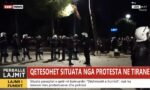
Security measures have been raised to the highest level. Heavy truck traffic, construction machinery, public demonstrations, and gatherings have been banned. Authorities have removed anything considered detrimental to the city’s image, including stray dogs and beggars. Protective barriers have also been erected along the routes that international leaders will travel, blocking views of Ankara’s poorer neighborhoods.
According to Deutsche Welle (DW), several academics, lawyers, politicians, environmental activists, teachers, and pensioners arrested on terrorism-related charges ahead of the summit are expected to remain in custody until after the event concludes on July 10, leaving Ankara under what observers describe as near-emergency conditions.
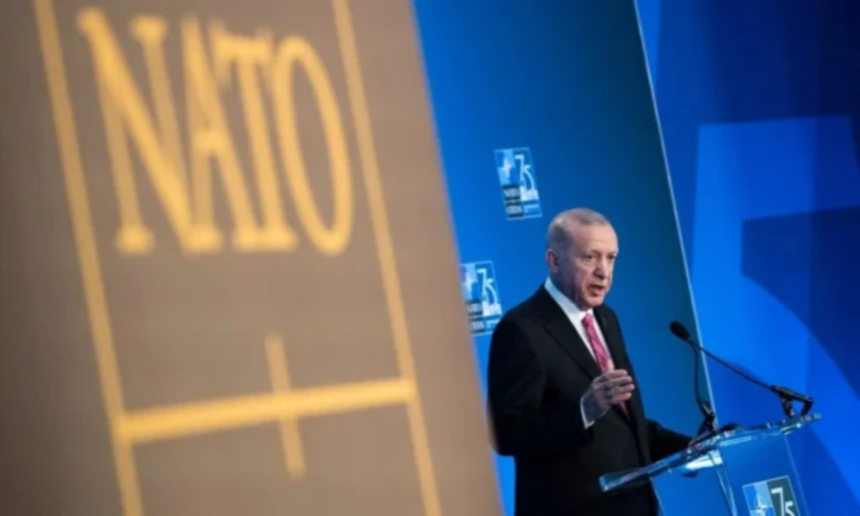
For the Turkish government, the July 7–8 NATO Summit is of strategic importance. Ankara aims to use the gathering to reinforce its position within the Alliance, presenting itself not only as NATO’s southeastern flank but as a key player in shaping the Alliance’s future security agenda.
This assessment is shared by NATO Secretary General Mark Rutte, who recently praised Türkiye’s well-trained armed forces and its rapidly expanding defense industry.
Since joining NATO in 1952, Türkiye has been a cornerstone of the Alliance’s collective defense. In recent years, it has also sought to position itself as a mediator in international crises, including the wars involving Ukraine and regional tensions involving Iran.
Ankara also sees growing uncertainty over the future U.S. role in European security as an opportunity to increase its political influence within NATO. Turkish officials argue that any future European defense architecture should complement not compete with the Alliance, while ensuring that key non-EU allies such as Turkey, the United Kingdom, and Norway are fully included.
Türkiye’s strategic value is reinforced by its unique geographic position at the crossroads of Europe, Asia, and the Middle East, as well as its control of the Bosporus and Dardanelles under the Montreux Convention, giving it a crucial role in maintaining the military balance in the Black Sea region.
Defense industry development remains another major priority. President Recep Tayyip Erdoğan has pledged to increase defense spending to 5% of GDP by 2030. Türkiye already possesses NATO’s second-largest military after the United States, while military spending rose by 7.2% last year to more than $30 billion, according to the Stockholm International Peace Research Institute (SIPRI).
For the first time, the NATO defense industry forum will be included in the summit’s official agenda, highlighting Turkey’s growing defense manufacturing capabilities. Rutte noted that around 3,000 companies operate in Turkey’s defense sector, making it one of the Alliance’s key industrial contributors.
Ankara also intends to push for a broader definition of security within NATO, emphasizing threats from Southeastern Europe, the Black Sea, and the Middle East. It supports revitalizing the Istanbul Cooperation Initiative (ICI), launched in 2004 to strengthen NATO’s security cooperation with Gulf partners including Qatar, Bahrain, Kuwait, and the United Arab Emirates.
For Turkey’s leadership, the summit represents far more than a diplomatic gathering it is an opportunity to reaffirm the country’s role as a major military power, a regional mediator, and an indispensable strategic partner within NATO.