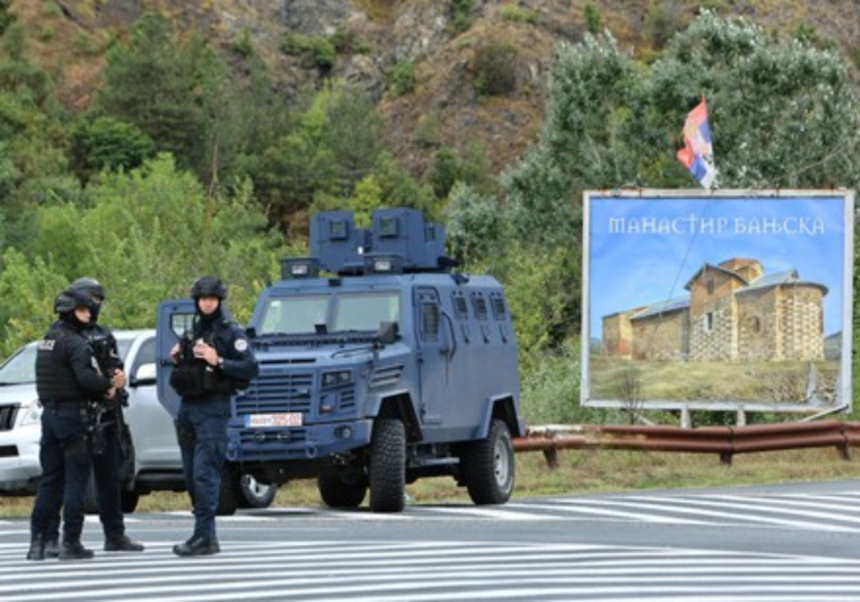
The lack of rule of law is being cited as the main reason why several individuals indicted in connection with the Banjska terrorist attack continue to operate their businesses and expand their wealth in Serbia.
This is the assessment of part of Serbia’s public and political opposition, which argues that the Banjska case raises serious questions about institutional accountability and the prosecution of those accused. According to opposition figures, the case has become a key test of Serbia’s commitment to the rule of law, RTK reports.
“The Serbian government is in a difficult position because those involved in the Banjska case are in Serbia and continue their activities. It is well known that Milan Radoičić has been protected for years, so it is no surprise that this case still has no judicial outcome. We believe Aleksandar Vučić and the Serbian Progressive Party bear responsibility because they refuse to confront accountability,” said Vladimir Pajić of the Free Citizens Movement (PSG).
Belgrade continues to refuse Kosovo’s requests to extradite the indicted suspects. Meanwhile, the European Union still considers the Banjska case one of the key issues in its relations with Serbia, while NATO, the EU, and the Quint countries have repeatedly called for full accountability.
“The events in Banjska have significantly weakened Serbia’s negotiating position and harmed the Serbian community in Kosovo. At the same time, they have allowed criminal structures, in our assessment, to maintain influence over the authorities, while Serbia faces increasing pressure from the West,” Pajić added.
Nearly three years after the attack, accountability remains unresolved. As international partners continue to demand criminal prosecution of those responsible, the Banjska case remains a major test of the rule of law and one of the defining issues in Serbia’s relations with the European Union and its international partners.