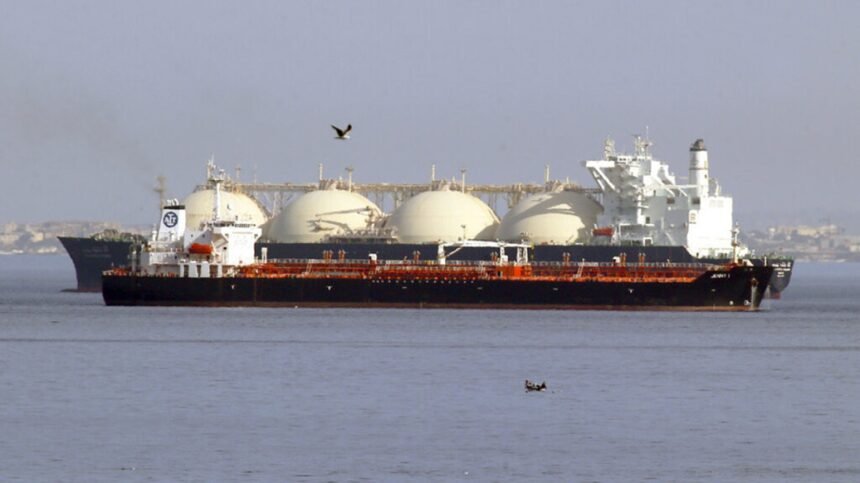
Greece is holding up the European Union’s 21st sanctions package against Russia over objections to a proposed measure that would ban the transportation of Russian liquefied natural gas (LNG) to third countries.
The dispute centers on the Greek shipping company Dynagas, which operates specialized LNG carriers designed for Arctic conditions. Athens argues that these ice-class vessels are equipped with highly specialized technology and cannot easily be redeployed to other commercial shipping routes.
According to the Greek government, the proposed ban would inflict significant financial losses on the company, which operates in a highly specialized and limited market.
However, several other EU member states have rejected Greece’s position, arguing that sanctions against Russia have imposed economic costs on businesses across the bloc and that no single country should receive special treatment.
The disagreement has delayed the adoption of the entire sanctions package, which also includes measures targeting Russian banks, companies linked to Russia’s military-industrial sector, and new restrictions on the price cap for Russian oil.
According to the Financial Times, the dispute highlights growing tensions within the European Union between efforts to increase economic pressure on Moscow and individual member states seeking to protect their national interests, particularly in the energy and maritime shipping sectors.