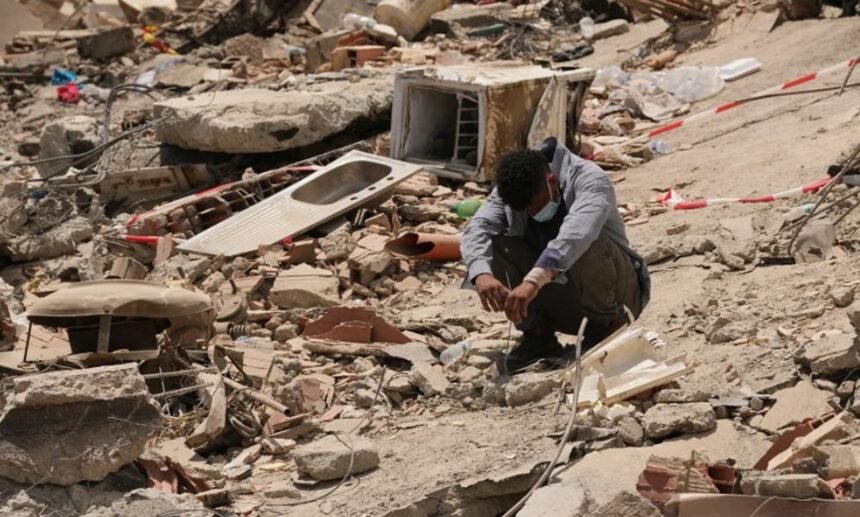
More than a month after powerful earthquakes struck Venezuela, thousands of residents in the worst-affected areas continue to struggle with the severe consequences of the disaster, while authorities and experts warn of emerging health and environmental threats.
In the coastal city of La Guaira, cleanup teams are still working to remove debris from damaged buildings. Dust and rubble from collapsed structures have covered entire areas, while many families continue to live in temporary camps near their damaged homes.
The earthquakes, measuring magnitudes 7.2 and 7.5 and recorded on June 24, caused thousands of deaths, thousands of injuries, and left many people without shelter. Material damages have been estimated at billions of dollars, while authorities continue assessing the full extent of the destruction.
Beyond the humanitarian crisis, public health experts have raised concerns about a potential environmental emergency. The large amount of debris from collapsed buildings contains hazardous materials, including asbestos, fuel, oils, and chemical substances that could contaminate soil and water sources.
Authorities have begun separating recyclable materials from contaminated waste, aiming to reuse safe materials in reconstruction efforts while ensuring hazardous waste is handled through specialized procedures.
Meanwhile, residents in affected areas have reported health problems linked to prolonged exposure to dust and pollution, including coughing, allergies, fever, and headaches.
Experts warn that careful management of the reconstruction phase will be crucial to prevent the spread of disease and avoid long-term environmental damage in the affected regions.