The Socialist Party of Serbia (SPS) has been pushed out of parliament for the first time in its history, raising questions about whether the party can survive politically and whether Serbia can finally move beyond the political system established under Slobodan Milošević during the 1990s.
There are two things that have never really been true about the Socialist Party of Serbia: that it was socialist, and that it was genuinely a political party.
The SPS was founded on the foundations of the League of Communists of Serbia, inheriting its extensive membership, substantial property and formal and informal influence over almost every state institution.
Established as a party of power, it enjoyed almost absolute control until its removal from government in 2000. Even after losing power, it continued to operate as a secondary force within Serbia’s political system.
Ideologically, the party had little to offer. It occasionally repeated slogans inherited from the socialist era to appeal to part of its electorate, while borrowing much of its political programme from Vojislav Šešelj’s Serbian Radical Party (SRS) to maintain support among other segments of the population.
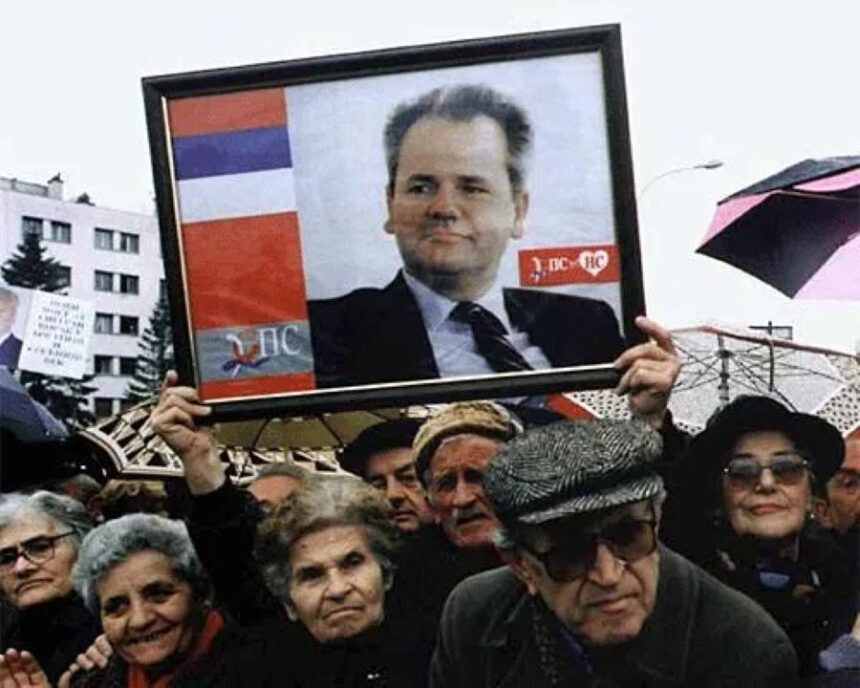
Its real legacy, however, was not an ideological platform but a political structure that shaped how power would be exercised in Serbia for decades.
That system was built on several key practices: transferring publicly owned assets into the hands of wealthy political allies while offering employment to others, marginalising political alternatives through the promotion of fear, and maintaining control over the media, police, intelligence services and the informal economy.
With the SPS now outside parliament for the first time, its political future appears increasingly uncertain. The development also raises a broader question: whether Serbia is finally ready to leave behind the political model established during Milošević’s rule.