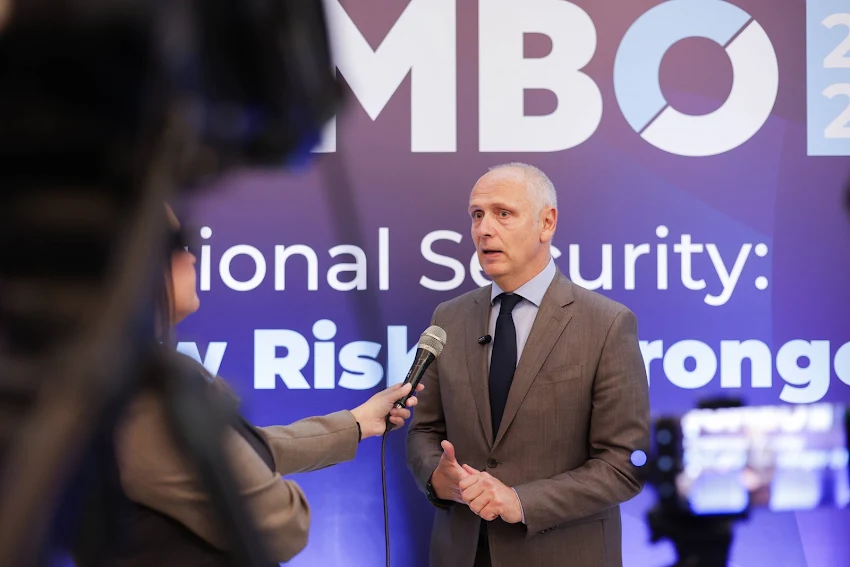
Rising geopolitical tensions and conflicts around the world are creating additional security challenges for the Western Balkans, with their consequences extending beyond military threats to energy supplies, economic stability and critical infrastructure, Regional Cooperation Council (RCC) Secretary General Amer Kapetanović has warned.
Speaking to the Beta news agency, Kapetanović said the growing number of armed conflicts worldwide was contributing to an increasingly complex security environment, exposing countries to a range of interconnected risks.
He pointed to energy disruptions, rising prices and inflation as factors that can undermine economic stability and ultimately affect regional security. Cyberattacks, hybrid operations and potential threats to critical infrastructure are also becoming increasingly important concerns.
Kapetanović stressed that the region was simultaneously facing environmental and energy-related difficulties. Water shortages have affected cities across the Western Balkans, river levels have fallen to historic lows, and hydropower facilities are experiencing difficulties maintaining electricity production.
He argued that these challenges cannot be addressed through individual national efforts, given the interconnected nature of regional infrastructure and resources.
“Rivers cross borders, electricity distribution networks are interconnected, and cyberattacks take place in a virtual space that cannot be divided by national boundaries. This makes cooperation essential,” Kapetanović said.
He added that the Western Balkan economies must strengthen coordination to respond effectively to threats that increasingly transcend national borders.
RCC Hopes Cooperation With Serbia Will Continue
Commenting on the prospects for regional cooperation following political changes in Serbia, Kapetanović expressed hope that relations with the country’s new authorities would remain constructive.
He said the Regional Cooperation Council had maintained positive relations with Serbia’s previous government and had consistently received its support.
Kapetanović noted, however, that it was too early to assess the direction of future cooperation, as Serbia still has to complete the formation of its new governing institutions.
He emphasized that Serbia’s continued participation in regional initiatives would be important for the entire Western Balkans, particularly as countries face shared economic, environmental and security challenges.
The RCC chief said he expected cooperation to continue, stressing that coordinated regional action remains essential for strengthening stability and resilience across the Western Balkans.