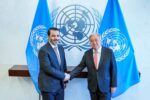
As European Council President Antonio Costa prepares to pivot his Western Balkans tour from Prishtina to Belgrade, the European Green Party is fiercely demanding that he abandon “business-as-usual” diplomacy and publicly confront Serbian President Aleksandar Vučić over democratic backsliding.
European Council President Antonio Costa’s high-stakes tour of the Western Balkans has run into fierce political headwinds from Brussels. The European Green Party issued a scathing critique of the EU chief on Wednesday, demanding that he use his upcoming meeting with Serbian President Aleksandar Vučić to formally state that Belgrade’s current political trajectory is fundamentally incompatible with European values.
The political pressure mounts just as Costa wraps up structural meetings with leadership across the spectrum in Prishtina before departing for the Serbian capital.
According to the Greens, Costa’s arrival in Belgrade comes at a highly sensitive domestic flashpoint, following widespread civil unrest aimed directly at the Serbian presidency.
‘A Moment of Truth’ Following Mass Protests
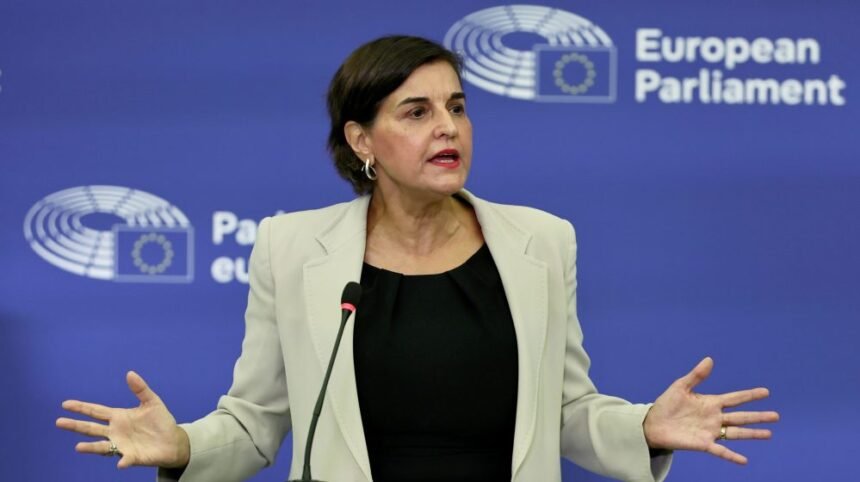
“Antonio Costa’s visit is a moment of truth for the European Union,” declared Vula Tsetsi, a prominent representative of the European Greens.
Tsetsi pointed out that the diplomatic visit occurs less than two weeks after an estimated 200,000 citizens flooded the streets of Belgrade to demand Vučić’s immediate resignation and the scheduling of free, unmanipulated elections—marking one of the largest anti-government demonstrations Serbia has witnessed in decades.
“The EU must not give the impression that cooperation continues as business-as-usual. President Costa must stand firmly with the citizens of Serbia, not with Vučić’s authoritarian regime.”
┌────────────────────────────────────────────────────────────────────────┐
│             The European Greens' Three Policy Demands for Costa        │
├────────────────────────────────────────────────────────────────────────┤
│  1. Expand the Itinerary                                               │
│     Bypass exclusive regime meetings; hold formal consultations with   │
│     pro-EU opposition leaders, independent media, and civil society.   │
├────────────────────────────────────────────────────────────────────────┤
│  2. Challenge the Rhetoric                                             │
│     Publicly counter Vučić's complaints regarding slow EU integration  │
│     by explicitly citing his own dismantling of the rule of law.      │
├────────────────────────────────────────────────────────────────────────┤
│  3. Confront Geopolitical Hedging                                      │
│     Call out Belgrade's ongoing security alignment with Russia and its │
│     frequent multi-billion-dollar economic deals with Beijing.         │
└────────────────────────────────────────────────────────────────────────┘
Replicating past Diplomatic Failures
The Greens argue that high-level visits from Brussels are actively counterproductive to democratic movements on the ground if they fail to impose strict political conditions.
Ciarán Cuffe, Co-Chair of the European Green Party, noted that Costa’s current itinerary mimics the widely criticized diplomatic approach taken by European Commission President Ursula von der Leyen during her visit to Serbia in October 2025.
“These repeated high-level visits serve only to normalize domestic repression and severely weaken the strategic image of the European Union,” Cuffe warned.
Cuffe emphasized that European policymakers remain deeply alarmed by Vučić’s continued diplomatic hedging—including ongoing backchannel engagements with Moscow and his recent high-profile return from Beijing with an additional $1 billion in Chinese financial pledges.
“President Vučić must finally face the reality that the European Union is not just another geopolitical option or a transaction to be leveraged,” Cuffe concluded. “It is a deeply political and democratic project built entirely on shared institutional values and human rights obligations.”