Russia may have reached the limits of its peacetime naval presence in the Baltic Sea, while increased NATO patrols appear to be deterring potentially hostile activities, Finland’s Navy chief said on Monday.
Admiral Tuomas Tiilikainen told Sky News that the maritime security situation remains “tense” but “stable”, stressing the need to avoid further escalation.
“They (the Russian Navy) monitor what we do and what NATO does. Naturally, we must also monitor them and maintain constant vigilance regarding their actions and activities,” he said.
Tiilikainen suggested that Moscow may see no “immediate need” to expand its naval presence, or that it may have reached the limits of its operational capabilities in the Baltic Sea during peacetime.
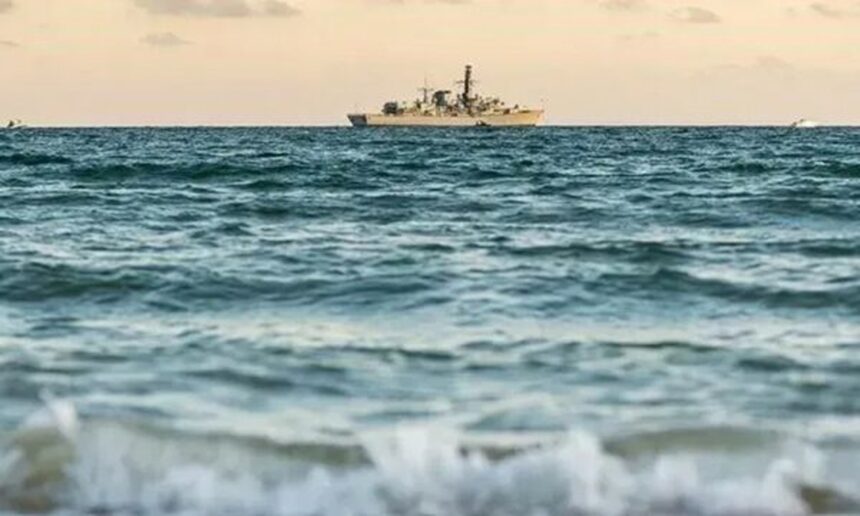
NATO launched its “Baltic Sentry” mission in January 2025 to strengthen maritime surveillance following a series of suspected sabotage incidents involving telecommunications cables and underwater energy infrastructure.
The mission involves deploying military vessels and aircraft to monitor this strategically important maritime corridor, as well as detect and deter potential threats to critical infrastructure.
Ships belonging to Russia’s so-called shadow fleet have been among the main suspects in incidents involving underwater infrastructure.
Last week, a Finnish court convicted the captain of a cargo vessel and another crew member of sabotage in connection with damage to two telecommunications cables linking Finland and Estonia in December 2025. According to reports, the captain was a Russian national.
Tiilikainen said no further attacks on Finland’s underwater infrastructure had been recorded since that incident.
A NATO military official told Sky News that the Alliance generally maintains at least three warships for every Russian military vessel operating in the Baltic Sea, with the current ratio estimated at around four to one.
NATO member states have also stepped up efforts to intercept and inspect suspected shadow fleet vessels. At least 13 such operations are believed to have taken place across Europe this year.