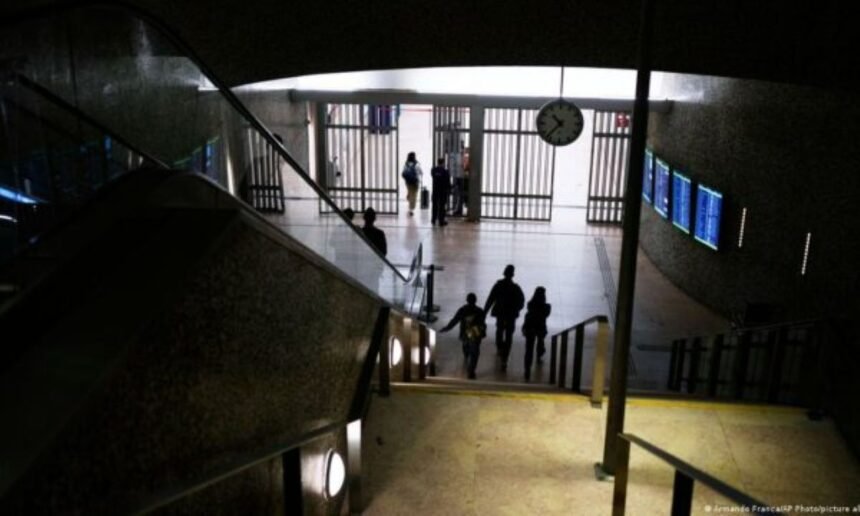
Portugal has ground to a near-total standstill as hundreds of thousands of workers launch their second full-scale general strike in under six months. The 24-hour mass walkout targets a highly controversial package of labor law reforms proposed by the administration.
A sweeping 24-hour general strike has effectively paralyzed Portugal, triggering severe disruptions across international aviation, public transit, education, and healthcare networks.
Organized by the country’s largest unified trade unions, the mass mobilization marks the second time within a six-month window that organized labor has successfully frozen the national economy.
The nationwide walkout comes in direct opposition to the government’s aggressive legislative push to overhaul Portugal’s structural labor market. According to trade unions, the proposed statutory revisions represent a coordinated roll-back of decades of hard-fought worker protections.
Severe Gridlock Across Public Infrastructure
The structural impact of the strike became visible immediately at midnight, with critical public sectors logging near-total closure rates:
- Aviation Grounded: Dozens of commercial flights departing from and arriving at Lisbon, Porto, and Faro airports were summarily canceled or heavily delayed as air traffic controllers and ground crews walked off the job.
- Classrooms Empty: The vast majority of public schools across the country remained locked on Wednesday, forcing millions of families to navigate sudden institutional closures.
- Healthcare Choked: Public hospitals and regional clinics dropped down to minimal, emergency-only skeleton crews, postponing thousands of elective surgeries, diagnostic screenings, and routine consultations.
The Legislative Flashpoint: Flexibilization vs. Workers’ Rights
At the heart of the expanding societal friction is a package of economic austerity and labor reforms backed by the executive branch. The government argues the changes are vital to increasing Portuguese competitiveness, boosting foreign direct investment, and matching broader European productivity standards.
┌────────────────────────────────────────────────────────────────────────┐
│             Why Are Portuguese Labor Unions Striking?                  │
├────────────────────────────────────────────────────────────────────────┤
│  1. Unregulated Working Hours                                          │
│     The introduction of aggressive "flexible hour" frameworks that     │
│     shatter standard shifts and increase unpaid overtime.              │
├────────────────────────────────────────────────────────────────────────┤
│  2. Weakened Job Security                                              │
│     Streamlining corporate firing processes and lowering statutory     │
│     severance payouts for redundancies.                                │
├────────────────────────────────────────────────────────────────────────┤
│  3. Anti-Strike Provisions                                             │
│     Imposing severe legislative limitations and legal barriers on the  │
│     fundamental constitutional right to strike.                       │
├────────────────────────────────────────────────────────────────────────┤
│  4. Maternity & Paternity Rollbacks                                    │
│     Diluting legal workplace protections and flexible re-entry terms   │
│     for new parents.                                                   │
└────────────────────────────────────────────────────────────────────────┘
The sweeping reforms have drawn intense domestic criticism, with international watchdogs noting that the escalating friction reflects a deeper, systemic dissatisfaction with stagnant wages and the rising cost of living across southern Europe.
With union leadership declaring the mobilization an unqualified success, labor delegates have warned the cabinet that if the proposed labor package is not withdrawn or substantially amended in parliament, today’s industrial action will serve as a prelude to rolling, open-ended sector strikes heading into the summer.