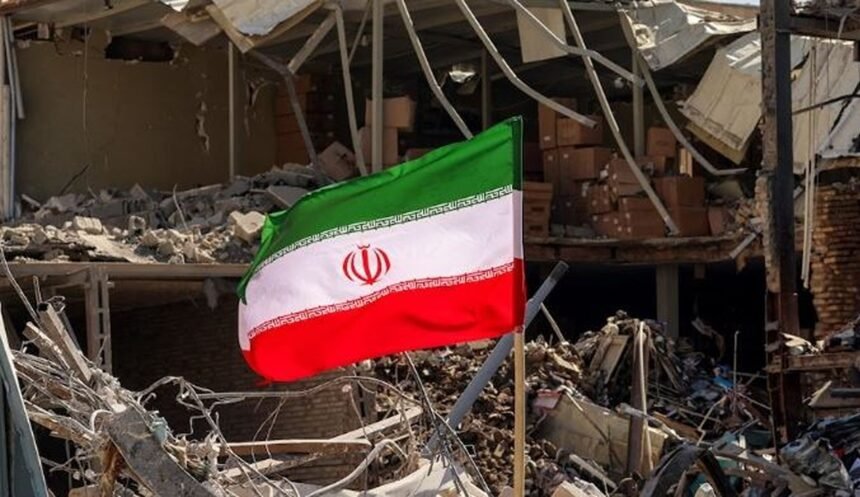
Following the devastating US and Israeli bombing campaign, rival political factions in Iran initially united behind the state leadership. However, after the ceasefire with the United States on April 8, internal political divisions have re-emerged sharply.
Public disagreements over Tehran’s approach to negotiations with Washington have exposed tensions between ultraconservative hardliners and more moderate conservatives. The dispute, now visible in parliament and state-linked media, is not primarily ideological, but rather about timing and the scope of concessions in potential peace talks.
Ultraconservatives argue that Iran should make no concessions to the United States, including on its nuclear program, and insist that any agreement must also address regional allies and sanctions relief. Moderates, however, push for pragmatic negotiations to end the conflict sooner.
The debate intensified after indirect talks between Iranian and US representatives in Pakistan. State-affiliated media outlets have criticized hardliners for undermining negotiations, while conservative factions accuse the negotiating team of crossing “red lines.”
Analysts say the split does not yet represent a structural collapse within Iran’s political system, but rather a tactical disagreement over whether to negotiate from a position of strength or urgency.
The situation has been further complicated by instability in leadership and the absence of a fully consolidated decision-making authority, contributing to public political infighting.