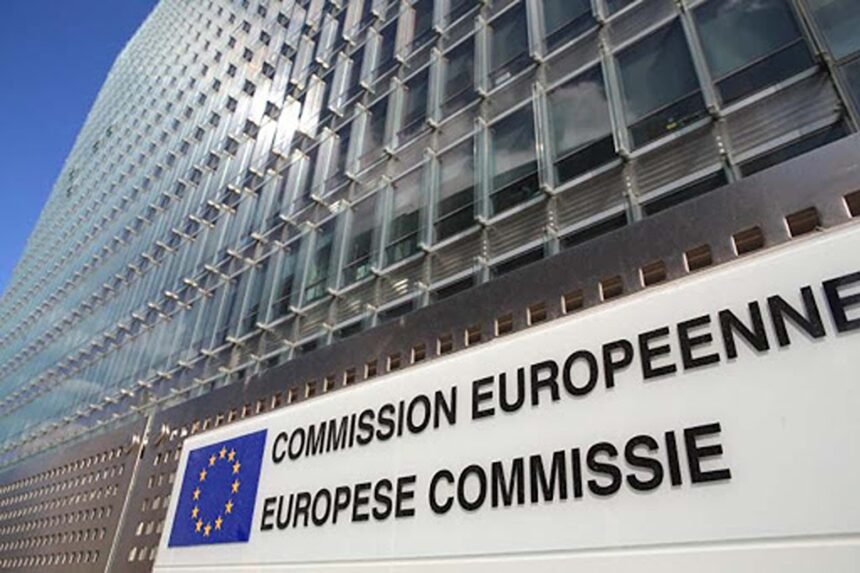
The European Commission has expressed concern over Serbia’s practice of granting citizenship to Russian nationals, warning that the growing number of Russians obtaining Serbian passports and subsequently gaining visa-free access to the European Union could pose a potential security challenge for the bloc.
According to European Commission officials, the issue has been repeatedly highlighted in the institution’s annual reports on Serbia’s progress toward EU membership.
“Last year’s report also specifically noted that the acquisition of visa-free travel rights to the EU by Russian citizens through Serbian citizenship presents potential security threats to the European Union,” said Guillaume Mercier, spokesperson for the European Commission.
For EU member states, the concern stems from the possibility that some individuals receiving Serbian citizenship could include Russian nationals subject to European sanctions or individuals considered security risks.
Serbia has become one of the main destinations for Russian citizens since the beginning of Russia’s full-scale invasion of Ukraine. According to official figures, approximately 50,000 Russian citizens held temporary residence permits in Serbia last year.
European officials confirmed that discussions with Serbia on the matter are ongoing, describing the issue as one of particular importance for the European Union.
The concerns add to broader EU criticism of Serbia’s alignment with European policies, particularly regarding sanctions against Russia and visa policy harmonization, both of which remain important elements of Serbia’s accession process.
European officials have emphasized that candidate countries are expected to align their policies with EU standards, including measures designed to safeguard the Union’s security and external borders.