As the intensive ballot-counting process for Kosovo’s June 7 snap parliamentary election nears its official conclusion, the Central Election Commission (CEC) is processing the final tranches of alternative votes.
Following the completion of the diaspora mail-in ballot count, election officials confirmed that over 92% of conditional ballots have been tabulated. The remaining handful of conditional ballot boxes, alongside the votes of persons with special needs, are being processed simultaneously.
While these final numbers have the potential to marginally shift fractional math for the final legislative mandates, the structural architecture of the next assembly is now clearly defined.
1. Current Legislative Seat Distribution Baseline
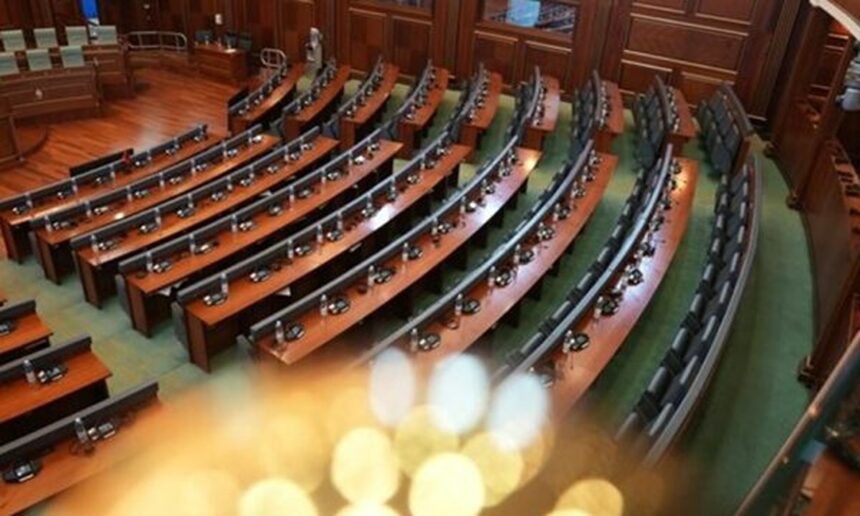
The current allocation of the 120 seats inside the Assembly of Kosovo reflects a commanding lead for the incumbent party, though it remains short of an outright unilateral majority.
Preliminary Breakdown of the 120 Legislative Mandates

 [ LËVIZJA VETËVENDOSJE ] ────────────────────────► 53 SEATS
 • Retains the strongest plurality in the assembly, positioning the party
   at the center of all upcoming executive governing negotiations.

 [ PARTIA DEMOKRATIKE E KOSOVËS (PDK) ] ────────► 22 SEATS
 • Secures its position as the primary opposition force within the
   upcoming legislative cycle.

 [ LIDHJA DEMOKRATIKE E KOSOVËS (LDK) ] ────────► 18 SEATS
 • Holds a significant centrist bloc, making it a critical player
   in wider institutional stability.

 [ ALEANCA PËR ARDHMËRINË E KOSOVËS (AAK) ] ────► 7 SEATS
 • Rounds out the main Albanian political parties represented in parliament.
“The remaining conditional and special needs ballots represent the final variable. While they rarely overturn major structural gaps, they can trigger precise seat migrations between the third- and fourth-tier parties due to Kosovo’s pure proportional system.”
— Central Election Commission (CEC) Operational Review
2. The Constitutional Minority Bloc Guarantee
Beyond the 100 seats contested directly by the primary political parties, the constitution of Kosovo automatically protects a dedicated quota for non-majority populations living within the state.
The Non-Majority Parliamentary Architecture
┌────────────────────────────────────────────────────────────────────────┐
│                                                                        │
│  [ MANDATORY RESERVED BLOCK ] ─────────────────────────────────────┐   │
│  • Exactly 20 seats out of the 120-member legislature are legally      │   │
│    reserved and insulated for non-majority minority coalitions.         │   │
│                                                                        │   │
│  [ THE SERB COMMUNITY QUOTA ] ─────────────────────────────────────┤   │
│  • The Serb population is constitutionally guaranteed 10 out of the    │   │
│    20 reserved minority mandates.                                      │   │
│                                                                        │   │
│  [ OTHER NON-MAJORITY REPRESENTATION ] ────────────────────────────┘   │
│  • The remaining 10 seats are allocated systematically across the      │
│    Bosniak, Roma, Ashkali, Egyptian, Turkish, and Gorani communities.   │
└────────────────────────────────────────────────────────────────────────┘
3. Strategic Pathways to a Goverment Majority
To successfully pass laws and elect a Prime Minister, a governing coalition must control a simple majority of at least 61 votes out of the 120 active seats.
| Political Party Bloc | Preliminary Seat Strength | Dynamic Pathway to the Magic 61-Vote Threshold |
| Lëvizja Vetëvendosje (LVV) | 53 Seats | Needs 8 additional votes. Can easily achieve a stable government by aligning with non-Serb minority communities (10 seats) without requiring a major opposition partner. |
| Traditional Opposition (PDK + LDK + AAK) | 47 Seats | Combined, the three primary opposition parties reach 47 mandates. Even with the support of all minority communities, they cannot form an alternative government without splitting LVV. |
| Guaranteed Minority Seats | 20 Seats | Act as the definitive institutional kingmakers for budget approvals and constitutional adjustments requiring dual-majority votes. |
The CEC’s simultaneous processing of conditional and special needs ballots represents the final technical milestone before the certification of results. Once certified, the focus will immediately shift from ballot tallying to fast-paced coalition building, as political actors work to insulate the country from the systemic gridlock and election fatigue that dominated previous governing cycles.