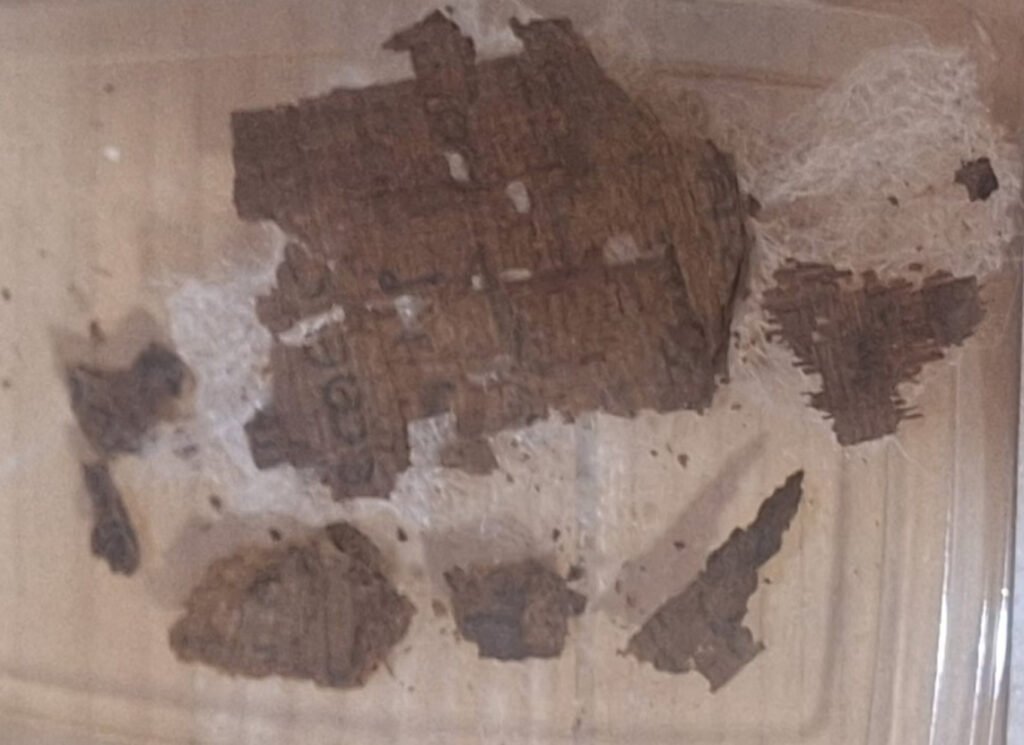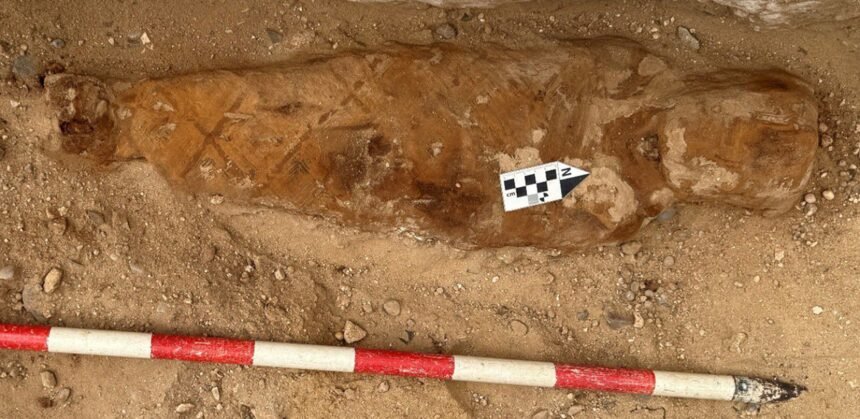
In an extraordinary archaeological find, researchers have discovered a fragment of Iliad by Homer inside the stomach of an Egyptian mummy marking the first time a Greek literary text has been found embedded within the mummification process.
The discovery was made in Oxyrhynchus (modern-day Al-Bahnas), a historically significant center of Greco-Roman Egypt located about 190 km of Cairo. The mummy dates back roughly 1,600 years, to the Roman period.
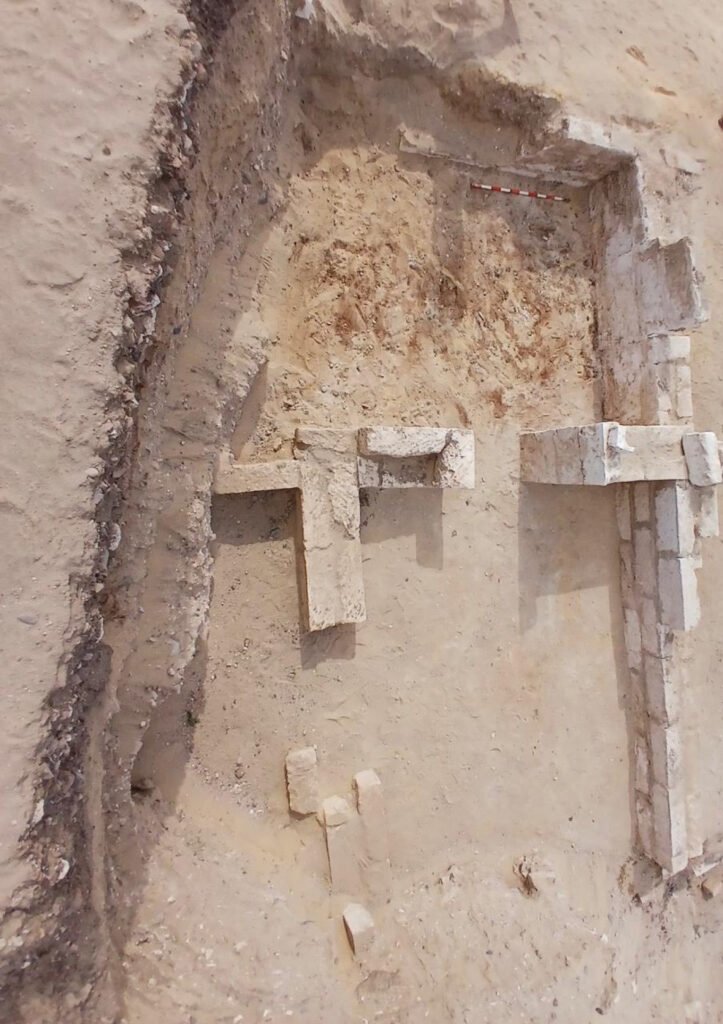
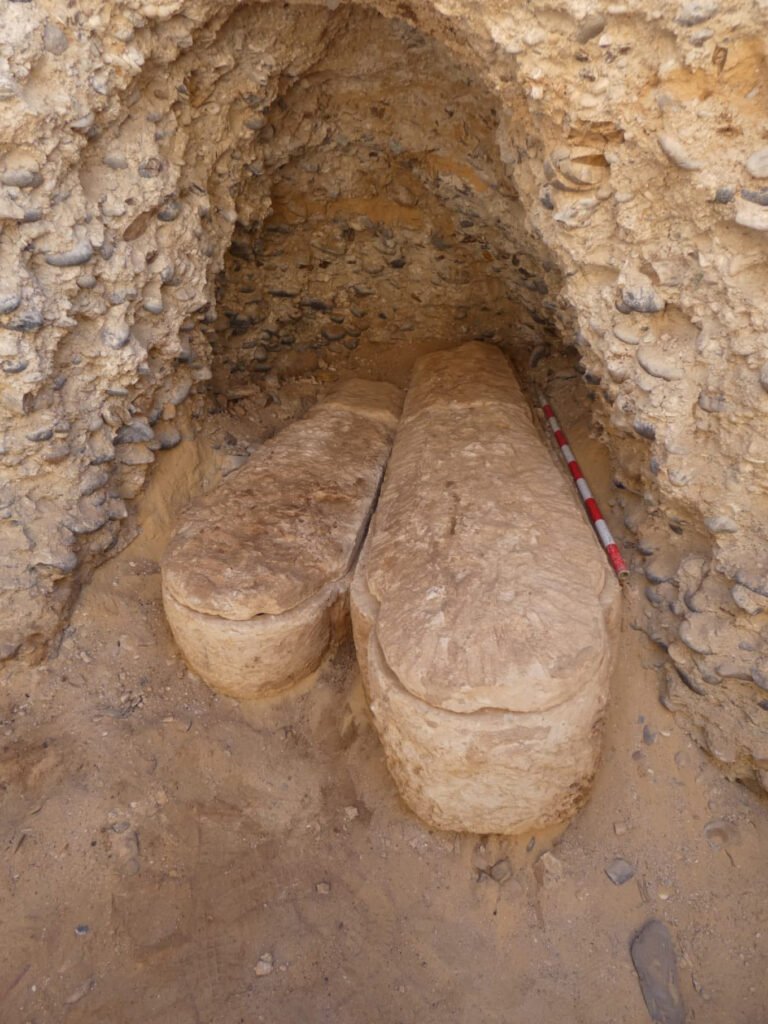
Archaeologists from the University of Barcelona uncovered the mummy during excavations conducted in late 2025. What made the find unique was a papyrus placed inside the abdominal cavity as part of the embalming ritual.
A First-of-Its-Kind Find
While Greek papyri have been found in mummies before, they typically contained magical or ritual texts. This is the first known case where a literary work specifically a passage from the Iliad was used in a funerary context.
The fragment includes part of the famous “Catalogue of Ships,” which lists the Greek forces assembling for the Trojan War. According to professor Ignasi-Xavier Adiego, the real novelty lies in discovering a literary papyrus integrated into burial practices.
Cultural Fusion in Ancient Egypt
During the Roman era, mummification in Oxyrhynchus reflected a blend of Egyptian, Greek, and Roman traditions. Instead of using traditional canopic jars, embalmers sometimes filled the body with preservation materials and papyri, sealing them within the body.
These papyri were usually symbolic or magical but this case suggests a more complex cultural or spiritual meaning behind the inclusion of Greek literature.
Broader Archaeological Context
Excavations in Oxyrhynchus have yielded thousands of papyri since the 19th century, many of great literary importance. Recent digs have uncovered multiple limestone burial chambers, Roman-era mummies, and earlier Ptolemaic Period remains including mummies with “golden tongues,” symbolizing preparation for the afterlife.
Researchers are still uncertain why this specific passage of the Iliad was chosen, but the discovery opens new questions about belief systems, identity, and cultural exchange in ancient Egypt.