Serbia wants the privileges of European Union membership while continuing to keep the secrets of its past locked away. Ljubljana is now demanding that Belgrade hand over the archives of the former Yugoslav intelligence, military and security services documents Serbia has kept under its control despite years of unresolved obligations.
And this is precisely the problem with Serbia’s European ambitions: Belgrade wants Brussels to look forward, while refusing to open the files that could shed light on its past. It wants European integration without full transparency, accountability or a serious reckoning with the legacy of the former Yugoslav security apparatus.
According to European media reports, Slovenia’s insistence has now been reflected in the final declaration of the EU–Western Balkans Summit. The document calls on the countries concerned to fulfil their outstanding obligations under the Agreement on Succession Issues, adopted following the breakup of Yugoslavia.
Although Serbia is not explicitly named, European diplomats reportedly consider the wording a direct result of Slovenia’s pressure on Belgrade.
Slovenian Prime Minister Janez Janša has repeatedly demanded that Serbia hand over to Ljubljana the archives of the former Yugoslav security, military and intelligence services. A substantial portion of these documents remains in Belgrade, where access is still restricted, Klix.ba reports.
What exactly is Belgrade afraid of revealing?
These archives are not just old paperwork. They are part of a historical record that matters for transparency, accountability and understanding the operations of the former Yugoslav security apparatus. Keeping them inaccessible only deepens suspicion and raises further questions about what remains concealed.
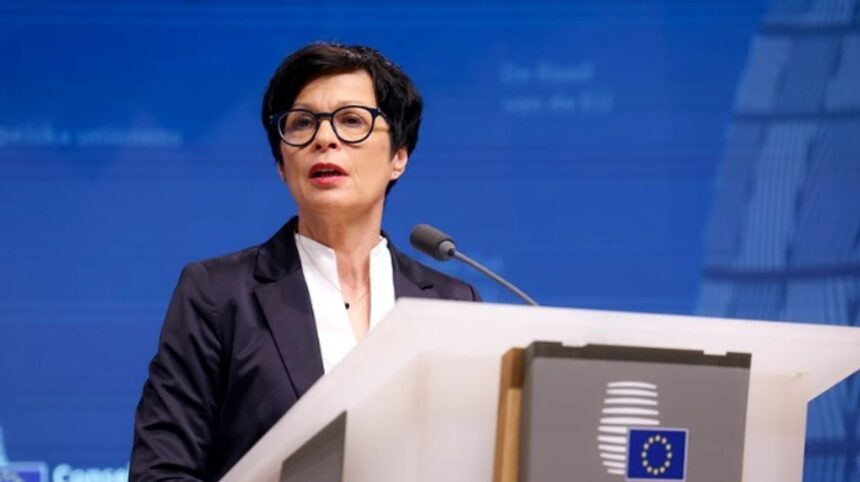
The controversy has also become linked to allegations involving European Commissioner for Enlargement Marta Kos, adding another politically sensitive dimension to the dispute.
Serbia cannot spend years demanding that the EU treat its accession process as a political priority while resisting obligations that require transparency and access to historical records. European membership is not a reward for making promises in Brussels while keeping uncomfortable evidence locked away in Belgrade.
Belgrade cannot demand European standards from others while treating accountability for its own past as optional. If Serbia genuinely wants to join the EU, it must stop hiding behind diplomatic language and open the archives. Europe should not confuse Serbia’s ambition to join the Union with its willingness to meet the obligations that membership requires.