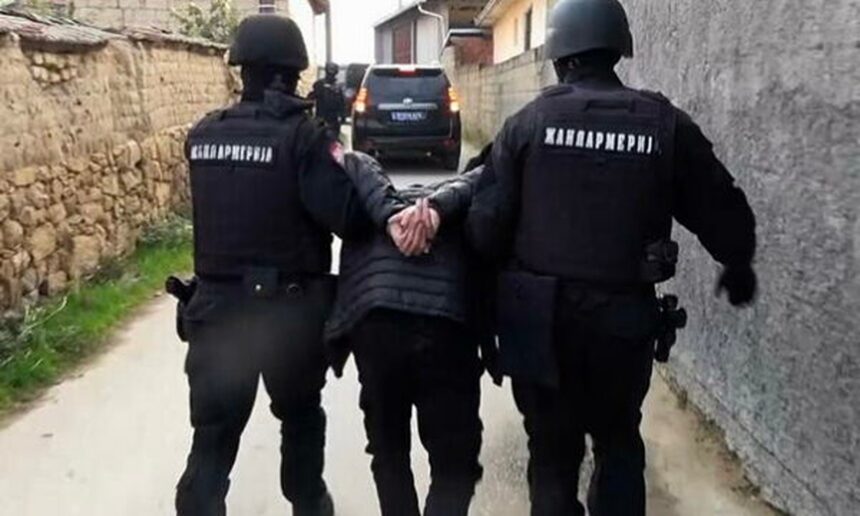
Serbia is witnessing another major police operation targeting corruption, with arrests and searches underway across Belgrade. More than 90 people have reportedly been detained across the country in just two weeks. That is not a minor scandal. It raises serious questions about the scale of corruption embedded in Serbia’s public institutions.
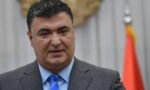
Among those reportedly arrested is Rade Basta, former director of Belgrade Power Plants, suspected of causing losses worth tens of millions of dinars by authorising allegedly unjustified donations to sports clubs and companies.
The list of detainees reportedly includes senior police officials, bankers, local and provincial government employees, and directors of public enterprises. These are not just isolated names from the margins of the system. They are people who held positions of public responsibility.
And now Aleksandar Vučić has scheduled an unscheduled public address for 1:00 p.m. The question is no longer whether Serbia has a corruption problem. The question is how far it reaches, how long it has been tolerated, and whether this crackdown will expose the networks behind it or simply sacrifice a few individuals while the system remains untouched.