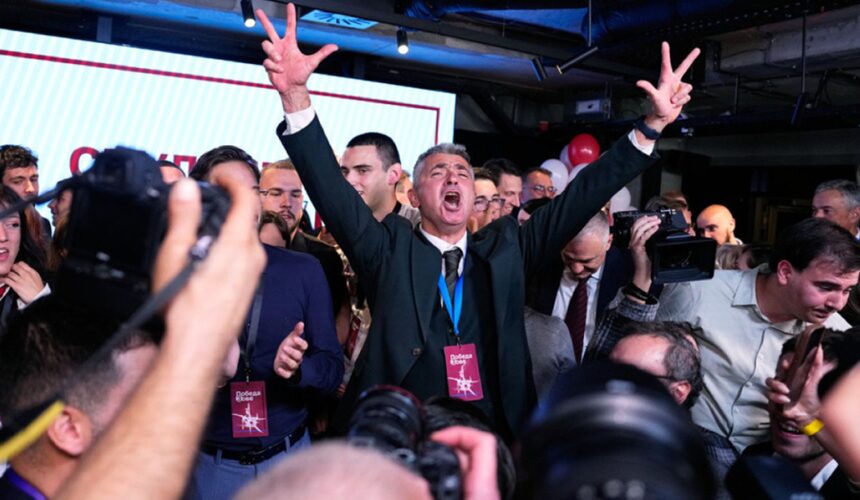
Serbia’s Student List has finally put its political programme on paper, and the picture is rather revealing. Despite presenting itself as a new political force and speaking about democracy and European reforms, its position on Kosovo looks remarkably familiar: deny its independence, block its international recognition and keep the idea of Kosovo as part of Serbia alive.
The programme explicitly commits the movement to opposing what it calls the “unilateral declaration of independence” of the “so-called Republic of Kosovo” and preventing Kosovo from joining international organisations. In other words, there is nothing new about its approach to Kosovo. The language may belong to a new generation of politicians, but the political objective remains the same.
The Student List also promises to review agreements reached between Belgrade and Pristina, assess their constitutionality under Serbian law and pursue former Serbian officials over agreements it considers unconstitutional or harmful to Serbia. Rather than proposing a path towards normalisation, it appears determined to revisit commitments already made in the dialogue.
Its programme goes even further, advocating greater autonomy for Serb-majority areas in Kosovo, administrative links with relevant municipalities and the protection of Serbian institutions operating in Kosovo. These positions raise serious questions about whether the movement recognises Kosovo’s constitutional order and sovereignty at all.
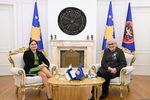
And this is the political force whose representatives met European Enlargement Commissioner Marta Kos in Brussels, declaring a shared ambition for a democratic Serbia. Was she aware of this programme when she welcomed their common vision?
The foreign policy chapter offers little evidence of a break with Serbia’s established course. The Student List opposes sanctions against Russia, pledges to maintain its traditional partnership with Moscow and seeks close relations with Washington and Beijing. It presents this as a balanced and pragmatic foreign policy, while retaining positions that directly conflict with the EU’s expectations on some of its most important foreign policy questions.
So, what exactly is new about the Student List?
A younger generation of politicians does not automatically mean a new political direction. If a movement continues to reject Kosovo’s independence, opposes its international integration and defends the same territorial claims, changing the faces does not change the policy.
Brussels should look beyond the language of reform and examine the programme itself. Kosovo’s independence is not a negotiating position to be reconsidered every time a new political movement emerges in Serbia.