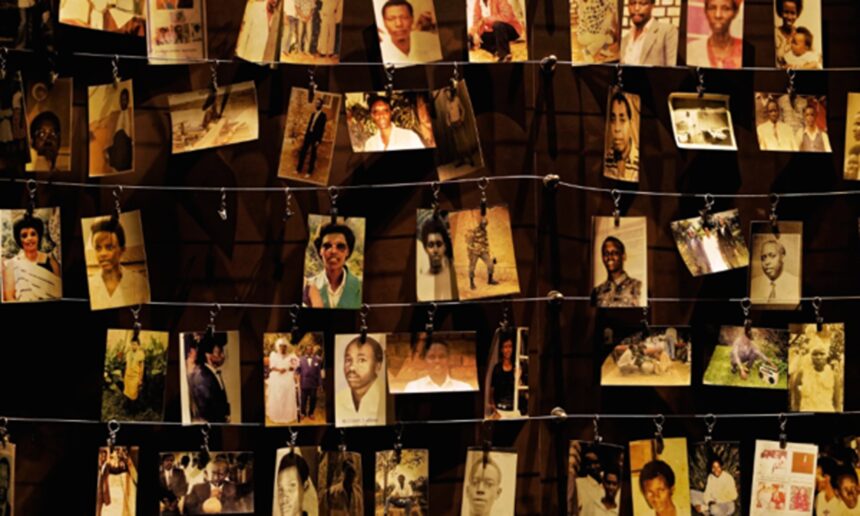
The final remaining case before the United Nations tribunals established to prosecute atrocities committed during the violent breakup of Yugoslavia and the 1994 genocide in Rwanda officially came to an end on Wednesday, closing a decades-long chapter in international justice.
The hearing marked the conclusion of proceedings involving alleged genocide financier Félicien Kabuga, who died last Saturday in his 90s while suffering from severe dementia.
“Today’s hearing marked a truly historic moment,” presiding judge Iain Bonomy said, formally ending the proceedings.
Kabuga had remained in legal limbo after medical experts ruled that he was too frail to stand trial or undertake significant travel, while no neighboring country agreed to grant him asylum despite continued efforts by the court.
He died six years after being arrested near Paris in 2020, following nearly two decades on the run. For many Rwandans, his death highlighted unresolved frustrations over accountability for the genocide.
“I wanted him to live longer in prison so he could feel the pain,” said Agnes Mukamurenzi, who knew Kabuga. “During the genocide, he played a key role that led to the loss of many innocent lives.”
The brief 12-minute hearing took place one floor above the tribunal’s main courtroom in The Hague — the same building where Bosnian Serb military commander Ratko Mladić, known as the “Butcher of Bosnia,” was convicted of genocide, and where Croatian commander Slobodan Praljak died after drinking poison during an appeal hearing.
Kabuga’s case was the final active proceeding before the International Residual Mechanism for Criminal Tribunals, the UN body that took over the remaining work of the International Criminal Tribunal for Rwanda after it closed in 2015 and the International Criminal Tribunal for the former Yugoslavia after its closure in 2017.
The two tribunals, both created by the UN Security Council in the 1990s, convicted 155 individuals for war crimes, crimes against humanity and genocide, while also paving the way for the establishment of the International Criminal Court in 2002.