The United States has announced the start of a naval blockade targeting Iranian ports, marking a major escalation in tensions surrounding the strategically vital Strait of Hormuz.
The US military confirmed that the operation will begin on Monday at 10:00 a.m. Eastern Time, following the collapse of high-level negotiations between Washington and Tehran aimed at reaching a ceasefire agreement.
According to the US Central Command (CENTCOM), the blockade will apply to all vessels entering or exiting Iranian ports and coastal areas, including those in the Persian Gulf and the Gulf of Oman. Officials said the measure will be enforced “indiscriminately against ships of all nationalities.”
However, CENTCOM clarified that commercial vessels transiting between non-Iranian ports will still be allowed to pass through the Strait of Hormuz, partially narrowing an earlier threat of a full closure of the waterway.
US President Donald Trump confirmed the timing of the operation in a post on his social media platform Truth Social, reiterating Washington’s position following the breakdown of negotiations.
The announcement comes after talks between US and Iranian representatives ended without agreement, despite more than 21 hours of discussions held in Pakistan. US Vice President JD Vance, who led the American delegation, said the failure to reach a deal was “worse for Iran than for the United States.”
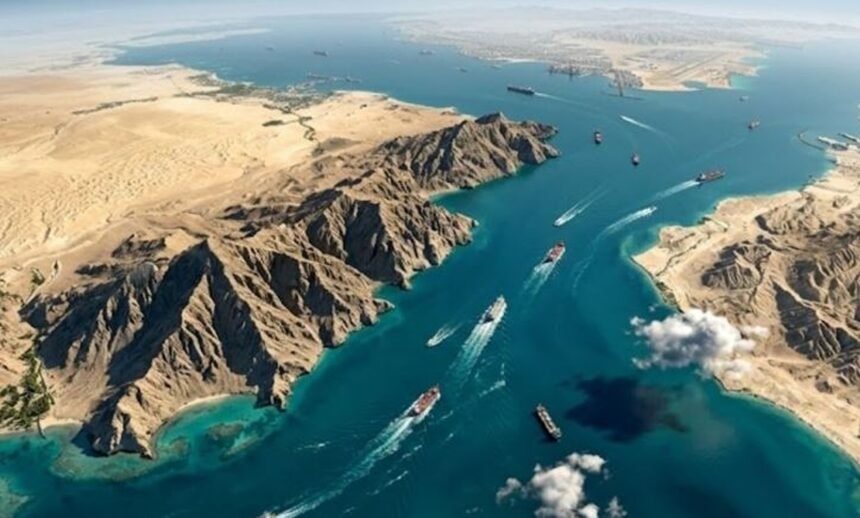
The Strait of Hormuz, one of the world’s most important energy shipping routes, has already seen disrupted traffic amid rising regional tensions. Maritime tracking data indicates a sharp decline in commercial vessel movement following recent escalations, with some shipping activity temporarily halted.
Iran has previously warned it could respond to any blockade measures, raising concerns of further instability in global energy markets.
The situation remains highly fluid, with international observers warning that the latest developments could have significant implications for oil supply chains and broader regional security.