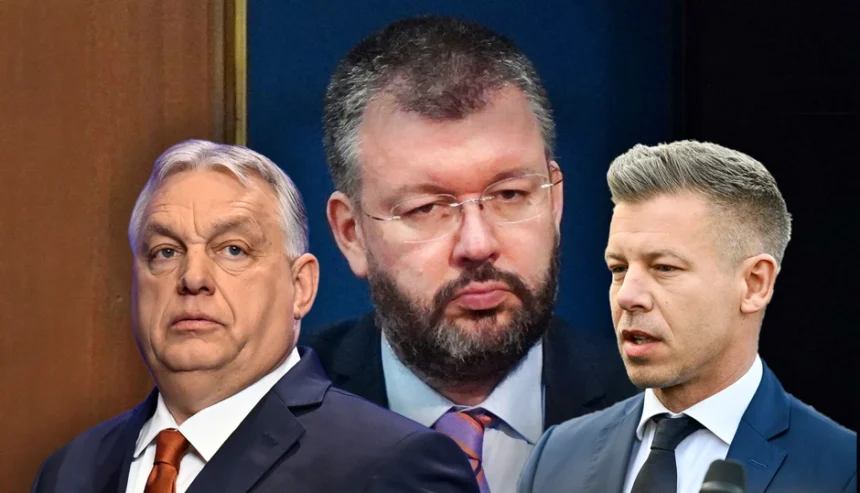
Serbian historian and political analyst Čedomir Antić has stirred public debate with a strongly worded opinion piece, arguing that Serbia’s political dynamics differ fundamentally from those of Hungary, particularly in how elections and governance are shaped.
In his article, Antić claims that elections in Serbia are often driven by public anger and polarization, suggesting that political outcomes are influenced not only by voters but also by informal structures such as civic assemblies, activist groups, and international actors.
He contrasts Serbia’s political system with Hungary’s, highlighting the role of Viktor Orbán and his party Fidesz in shaping a more ideologically defined political landscape. According to Antić, Hungary has demonstrated institutional continuity and democratic processes, even amid political shifts.
The article also touches on Serbia’s ruling Serbian Progressive Party (SNS), describing it as a broad, post-transition political movement focused on stability rather than ideology. Antić argues that the current political environment in Serbia reflects deeper historical and societal factors, including a combination of strong leadership tendencies and grassroots democratic impulses.
He further criticizes segments of academia and civil society, referring to what he describes as the influence of “student movements” and non-governmental organizations in shaping political discourse.
Despite his critical tone, Antić concludes that meaningful political change in Serbia should come through elections, advocating for a unified opposition that is both reform-oriented and patriotic.
The article has generated mixed reactions, with supporters viewing it as a candid assessment of Serbia’s political realities, while critics argue that it downplays democratic processes and promotes divisive narratives.