In an unprecedented gambit as the war enters its fifth year, the Ukrainian President bypasses shifting Washington priorities to challenge Putin directly—while Donald Trump claims credit and pressures both sides for “compromises.”
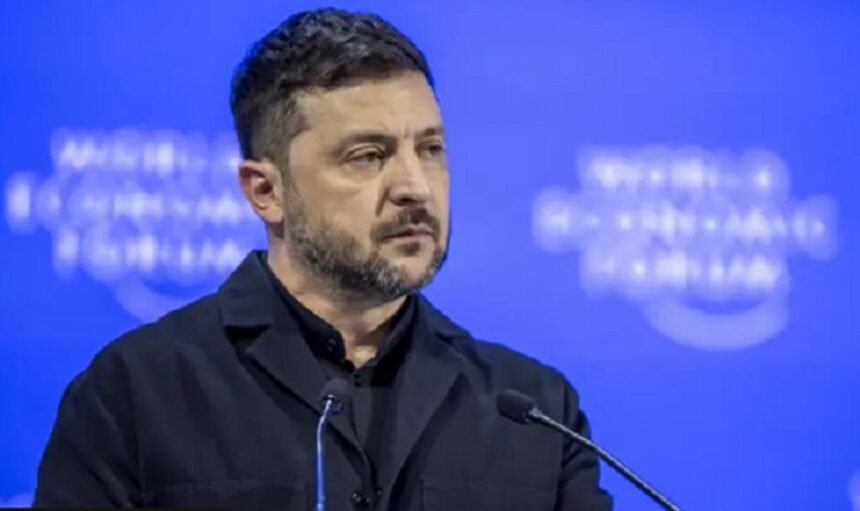
In what marks the most dramatic diplomatic pivot since Russia’s full-scale invasion began in 2022, Ukrainian President Volodymyr Zelenskyy has issued a direct, public appeal to Vladimir Putin. In an open letter published on Friday, June 5, 2026, Zelenskyy bypassed traditional backdoor channels to explicitly propose a face-to-face summit in a neutral third country to negotiate an end to the devastating war.
The letter—which combines a sweeping, unsparing critique of Putin’s 26-year rule with a pragmatic acknowledgment of shifting global geopolitics—comes at a critical operational turning point. Zelenskyy openly stated that Ukraine cannot afford to passively wait for the U.S. administration to turn its full attention to Europe while Washington remains heavily consumed by its ongoing conflict with Iran.
“I am proposing a meeting,” Zelenskyy wrote, breaking a multi-year taboo on direct leadership dialogue. He suggested Switzerland, Turkey, or the Arab States as potential host nations capable of guaranteeing a neutral negotiating environment outside of Kiev and Moscow.
The Battlefield Calculus: Why Now?
Diplomatic analysts note that Zelenskyy is attempting to seize a moment of hard-fought leverage. Enhanced long-range strategic strike capabilities have recently allowed Ukraine to disrupt Russian advances and strike deep inside Russian territory, fundamentally altering Moscow’s security assumptions.
┌────────────────────────────────────────────────────────────────────────┐
│               The Strategic Equation: June 2026 Status                 │
├───────────────────────────────────────┬────────────────────────────────┤
│ UKRAINIAN LEVERAGE                    │ RUSSIAN OFFENSIVE PRESSURES    │
├───────────────────────────────────────┼────────────────────────────────┤
│ • Advanced long-range drone strikes   │ • Intensified ballistic missile │
│   targeting internal deep targets.    │   and aerial terror campaigns. │
├───────────────────────────────────────┼────────────────────────────────┤
│ • Successful disruption of supply     │ • Exploitation of localized    │
│   lines and energy infrastructure.    │   Ukrainian ammunition gaps.   │
└───────────────────────────────────────┴────────────────────────────────┘
The vulnerability of the Russian home front was explicitly put on display just hours before Putin opened his annual flagship investment showcase, the St. Petersburg International Economic Forum. A swarm of Ukrainian drones successfully penetrated local airspace, setting a major oil terminal ablaze and striking a nearby naval base in Putin’s hometown.
In a rare public admission during a press conference with international media chiefs, Putin acknowledged the damage:
“To our regret, some of them penetrate,” Putin admitted regarding the drone strikes. “Russia has an air defense system; we need to improve it, strengthen it, and we will do so.”
The Anchorage Framework and the Trump Directives
Responding to the development from the Oval Office, U.S. President Donald Trump immediately took credit for forcing the adversarial leaders to the table. Trump revealed he has already outlined specific frameworks for concessions.
“I am glad that they are perhaps talking about a meeting. I think we had a lot to do with it,” Trump told reporters. “Both will make compromises. I suggested those compromises, and you know, we have had a lot to do with it.”
Putin indicated on Thursday that Moscow remains open to a settlement, but conditionally tied any potential peace deal to the parameters established during his high-profile summit with Trump in Anchorage, Alaska. The Kremlin maintains that Ukraine must capitulate to those specific terms to halt hostilities, a demand Kiev has historically rejected as an infringement on its sovereignty.
Washington Divided: Congress Rebels Against Trump’s Plan
As the White House pushes for swift concessions, a fierce institutional revolt has erupted on Capitol Hill. In a significant display of bipartisan impatience with Trump’s handling of the war, the U.S. House of Representatives defied Republican leadership on Thursday to pass a massive parallel aid and sanctions package.
┌────────────────────────────────────────────────────────────────────────┐
│            The Congressional Emergency Aid Bill (Vote: 226-195)         │
├───────────────────────────────────────┬────────────────────────────────┤
│ FINANCIAL COMPONENT                   │ STRUCTURAL PURPOSE             │
├───────────────────────────────────────┼────────────────────────────────┤
│ $1 Billion Direct Aid                 │ Immediate security and domestic│
│                                       │ infrastructure reconstruction. │
├───────────────────────────────────────┼────────────────────────────────┤
│ $8 Billion Defensive Loans            │ Safeguarding military parity to│
│                                       │ prevent total state collapse.  │
├───────────────────────────────────────┼────────────────────────────────┤
│ Broad Structural Sanctions           │ Targeting vital systemic links │
│                                       │ within the Russian economy.    │
└───────────────────────────────────────┴────────────────────────────────┘
The Democratic-sponsored bill bypassed House leadership objections. Republican leaders warned that the unilateral piece of legislation would torpedo Trump’s sensitive, ongoing negotiations. While the 226–195 victory signals deep congressional anxiety over a forced Ukrainian surrender, even its strongest backers admit the bill faces a virtually impossible hurdle to clear the Senate.
With Ukraine demonstrating its ability to strike Russia’s economic crown jewels and Washington structurally split over its next move, Zelenskyy’s public letter effectively shifts the burden of the next move directly onto Putin.