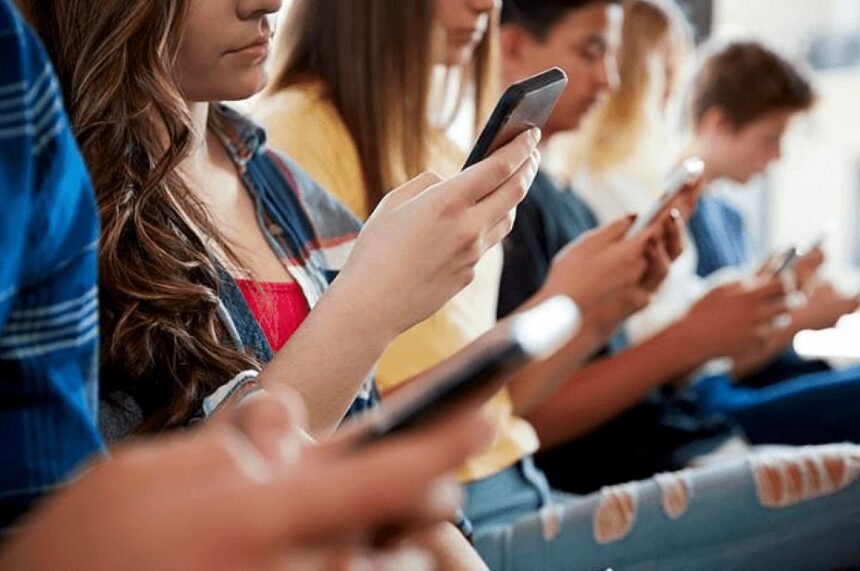
British MPs have rejected an Australian-style ban on social media use for under-16s, instead supporting a plan for flexible ministerial powers to regulate platforms.
The proposed ban, modeled after Australia’s end-of-2025 legislation, would have restricted access to apps like TikTok, Instagram, and Snapchat for children. Supporters included actor Hugh Grant, while critics such as the NSPCC warned that a blanket ban could push young users to less-regulated corners of the internet.
Responding to the vote, the Liberal Democrats criticized the decision, saying that failing to enact a ban was “simply not good enough.” Families affected by online harm, including the father of 14-year-old Molly Russell, who took her own life after encountering harmful content, also advocated for stronger enforcement of existing laws rather than a blanket ban.
Instead, Education Secretary Olivia Bailey proposed a more flexible approach. Under her plan, the Science Secretary Liz Kendall would gain powers to:
- Restrict or prevent children of certain ages from accessing social media platforms and chatbots.
- Limit harmful or addictive features, such as autoplay.
- Regulate use of VPNs by children and adjust the digital consent age in the UK.
In the House of Commons vote, MPs approved Bailey’s flexible plan with 307 in favor and 173 against, rejecting the Lords’ full ban. Over 100 Labour MPs abstained, including Sadik Al-Hassan, who commented: “If social media were a drug, it would be banned.”