Serbia has reportedly asked Russia to stop raising the issue of Kosovo at the United Nations Security Council, a move that analysts say could signal a more pragmatic diplomatic approach toward the reality of Kosovo’s independence.
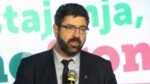
According to information made public by Ivan Kostić, leader of the Serbian political party Dveri, Serbia’s Foreign Minister Marko Đurić requested that Moscow “no longer deal with Kosovo” during discussions at the United Nations Security Council.
Kostić said the information comes from official diplomatic sources in Belgrade.
Possible Diplomatic Shift
If confirmed, the request could indicate that Serbia is restraining its diplomatic efforts to challenge the sovereignty of Kosovo in international forums, indirectly acknowledging the political reality of a state that has gained broad international recognition.
So far, Serbia’s Ministry of Foreign Affairs has not issued an official statement regarding the claim.
However, analysts believe the move could suggest that Belgrade no longer seeks to intensify debates over Kosovo’s status at the UN, opting instead for a more cautious diplomatic posture.
Strategic Calculations
According to diplomatic experts, Serbia’s stance toward Russia and the United Nations may form part of a broader strategy aimed at maintaining balanced relations with global powers, while avoiding direct tensions over the Kosovo issue.
Observers say such a shift could be interpreted as a practical acknowledgment that Kosovo operates as an independent and internationally recognized state, even if formal recognition by Serbia remains absent.
Impact on Regional Dynamics
The reported request comes at a time when the EU-mediated dialogue between Belgrade and Prishtina, facilitated by the European Union, has experienced both periods of tension and attempts at gradual progress.
Diplomacy experts suggest that changes in Serbia’s diplomatic tone could influence regional dynamics, potentially contributing to a more stable environment for cooperation between the two sides.