Pavle Dimitrijević of the watchdog organization CRTA has dismissed proposed changes to Serbia’s election laws as “cosmetic,” warning that the government lacks the genuine political will to fix the country’s deeply flawed electoral process.
The amendments, dubbed the “Petrašinović Laws” after SNS deputy Miroslav Petrašinović, target the Law on the Election of Members of Parliament, the Law on the Election of the President, and the Law on Local Elections. While the government frames these as improvements, experts argue they bypass the most critical issues.
Key Changes in the “Petrašinović Laws”
Dimitrijević identified four primary updates included in the proposal:
- Multiple Signatures: Voters may now support more than one electoral list with their signature.
- Judicial Deadlines: The Constitutional Court is given a specific timeframe to decide on administrative disputes.
- Mandatory Training: All members of polling boards must undergo mandatory training organized by the Republic Election Commission (RIK).
- Minority Status: Stricter conditions for obtaining the status of a national minority list.
“A Wall of Silence”
Despite these changes addressing five ODIHR recommendations, Dimitrijević told N1 that they fail to touch the “cancer” of the Serbian electoral system:
- Impunity: Lack of prosecution for criminal acts committed during previous elections.
- Media Inequality: Continued dominance of the ruling party in national media.
- Abuse of Office: The use of state resources and official functions for campaigning.
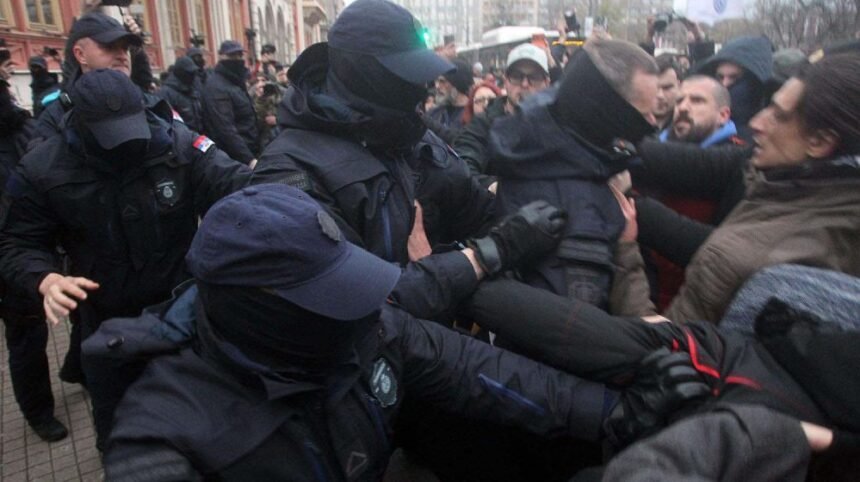
“If there was true will, we would already have answers as to who beat people in Bor, Mionica, or Kula. Instead, we have a wall of silence,” Dimitrijević stated.
The Threat of EU Sanctions
The timing of these legal tweaks is significant. European officials, including Andreas Schieder, have previously warned that if Serbia fails to implement substantive ODIHR recommendations, the EU could freeze financial support. Critics argue that the current government is doing the bare minimum to simulate progress and secure those funds without losing its grip on the electoral machinery.
A Call to Action
With institutions failing to act, Dimitrijević believes the burden of protecting democracy now falls directly on the people.
“Citizens who have shown great interest should learn the rules and procedures to serve on polling boards or as observers. This is the only meaningful way to end this uncertainty,” he urged. “All that remains is civic courage and the readiness to pressure institutions to do their jobs and demand accountability.”