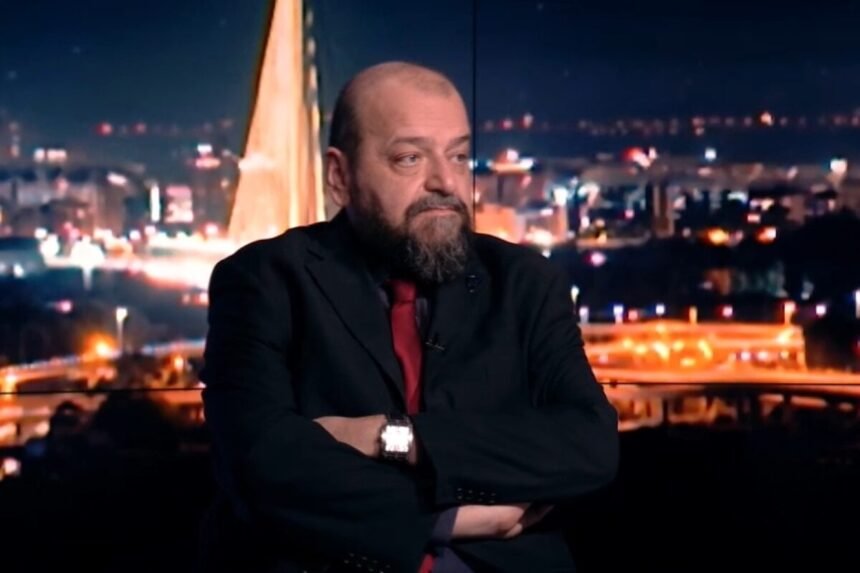
In a sharp political analysis penned by Dragan Šormaz for The Geopost, the veteran politician dissects the circulating rumors that July 5, 2026, has been set as the date for snap parliamentary elections in Serbia.
According to Šormaz, this move is not the tactical masterclass of a confident leader, but rather a “forced decision” by a regime sensing the ground shifting beneath its feet.
The July Calculation: Buying Time
The logic behind a July election is classic political maneuvering:
- Voter Apathy: Scheduling elections during the peak of summer vacations when cities are empty and political mobilization is at its lowest.
- Survival Instinct: A desperate attempt to secure a new mandate before the economic and social situation deteriorates further.
- The “December Alternative”: Some suggest a December date to allow Vučić to secure the Prime Minister’s post before the higher-risk Presidential elections. However, Šormaz argues that “time is no longer working for him.”
Economic Red Flags
The article highlights several critical economic factors that are eroding the foundations of the ruling party’s (SNS) power:
- Rising Inflation: Estimates from the International Monetary Fund (IMF) suggest inflation could hit 5.2% to 7% by year-end, specifically impacting basic food prices.
- Budget Deficit: The state treasury is under immense pressure, with a budget deficit reportedly approaching €1.5 billion in the first half of 2026.
- European Funds at Risk: There is growing anxiety within the government over the potential loss of €1.5 billion from the EU Growth Fund for the Western Balkans due to failures in the rule of law and judicial independence.
International Pressure and Investigations
Šormaz points to a tightening net of international scrutiny:
- US/FBI Interest: Signals from Washington suggest potential investigations into money laundering and financial flows involving individuals in Vučić’s inner circle.
- Regional Fallout: Investigations in Hungary into financial structures and funds (such as Vista Rica) could potentially spill over into Serbia, complicating regional alliances.
A Call for Institutional Resistance
The analysis concludes that Vučić is attempting to “rush” the opposition before he loses total control. Šormaz warns that holding elections without implementing ODIHR recommendations, reforming the media regulatory body (REM), or ensuring fair conditions will only lead to more “brutal violence” and manipulation.
“When an authoritarian leader shifts from the phase of control to the phase of survival, his actions become unpredictable and dangerous,” Šormaz writes.
He calls on the opposition and the European Union to refuse any election date that does not meet the standards for a fair and democratic process, labeling the current situation a “high-stakes political bluff.”