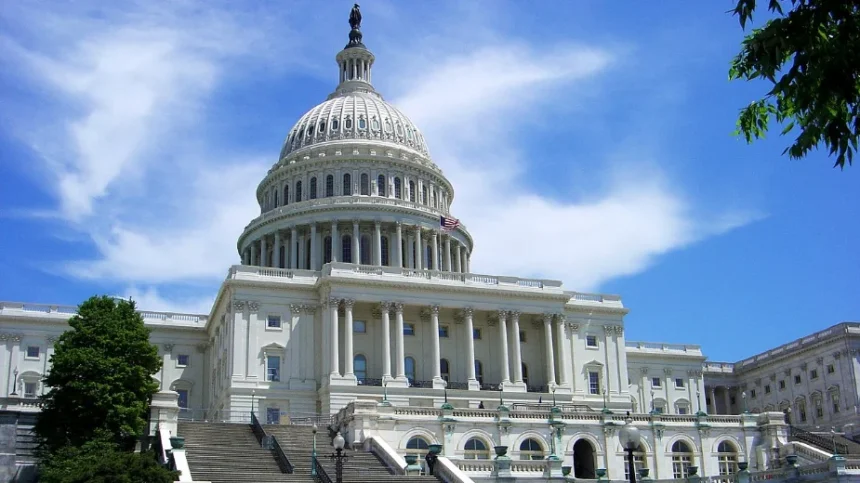
In a tight 51–47 vote on Tuesday, April 28, 2026, the U.S. Senate rejected a War Powers Resolution that would have forced President Donald Trump to end his aggressive energy blockade of Cuba.
The legislative push, led by Senators Tim Kaine (D-VA), Adam Schiff (D-CA), and Ruben Gallego (D-AZ), sought to strip the President of his authority to use U.S. forces—specifically the Coast Guard—to intercept oil shipments to the island without explicit congressional approval.
A “Proxy Blockade” Causing Humanitarian Crisis
The energy blockade, initiated by an executive order on January 29, 2026, has effectively strangled Cuba’s economy. By threatening punitive duties on any third-country vessels transporting petroleum to the island, the administration has nearly halted tanker traffic.
- Impact on Daily Life: Cuba is currently facing its most severe energy crisis since the 1960s, with widespread blackouts and water shortages.
- Medical Emergency: Reports indicate that electricity shortages have left over 96,000 people awaiting medical procedures and roughly 11,000 children awaiting surgery.
- Hostilities Argument: Senator Kaine argued that the use of the Coast Guard to intercept ships constitutes “active hostilities,” thereby triggering the War Powers Act.
Senate Breakdown: 51–47
The vote largely followed party lines, reflecting continued Republican support for Trump’s “maximum pressure” campaigns in Latin America.
| Position | Senators |
| Voted to Dismiss (GOP) | 50 Republicans + John Fetterman (D-PA) |
| Supported Resolution (DEM) | 45 Democrats + Susan Collins (R-ME) & Rand Paul (R-KY) |
Republicans argued the resolution was “out of order” because the U.S. is not in a formal state of war with Cuba. Senator Rick Scott (R-FL) defended the blockade, stating that Trump is “doing everything he can to restore freedom” and accusing the Cuban government of being a “hotbed for spies and terrorists.”
Trump: “Cuba is Next”
The President has made no secret of his intentions. Following the U.S. military operation in early January that led to the capture of Venezuelan leader Nicolás Maduro, Trump has frequently signaled that Havana is his next target.
In a speech at a Turning Point USA event in Phoenix on April 17, Trump promised a “new dawn for Cuba,” claiming that the same “strength” used in Venezuela would soon deliver change to the island nation. Democrats fear this rhetoric is a precursor to a direct military intervention, especially as the administration seeks to distract from high domestic gas prices caused by the ongoing war with Iran.
As of today, the U.S. Coast Guard continues to patrol the Florida Straits, enforcing what the UN has condemned as a “violation of international law.”