Oil prices spiked on Monday amid growing concerns over Middle East tensions following U.S. strikes on Iran’s key oil facility on Kharg Island. President Donald Trump stated that the U.S. military had “completely destroyed” the facility, prompting fears of further disruption to global supply and calls for allies to help reopen the Strait of Hormuz.
Brent crude, the international benchmark, rose 1.8% to $104.98 per barrel in early trading. The attacks on Kharg, a seven-kilometer-long coral island in the Persian Gulf handling roughly 90% of Iran’s oil exports, mark a significant escalation in U.S. military operations in the region.
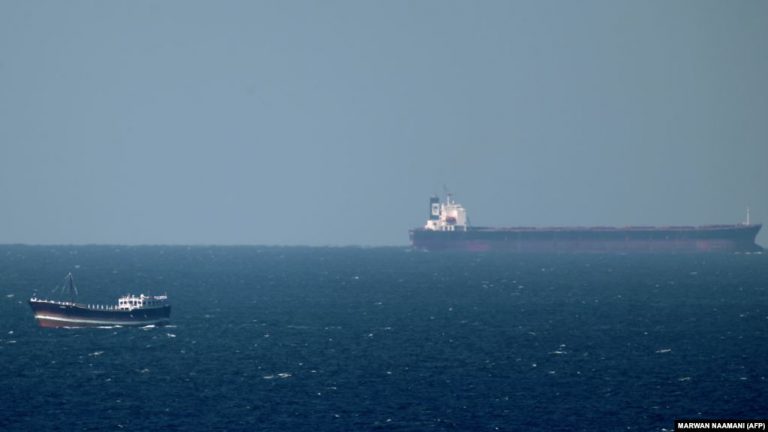
Trump claimed that energy infrastructure on the island was intentionally spared and that only military targets were hit. However, the strikes heightened global market anxiety, especially as the Strait of Hormuz — a critical maritime route through which nearly one-fifth of global oil shipments pass — has been effectively closed since the onset of the crisis.
In a series of public statements, Trump urged allies including France, Japan, South Korea, the U.K., and China to participate in a coordinated effort to protect shipping through the strait. Responses were cautious: South Korea indicated it was “exploring multiple measures” to secure energy transport, while the U.K. prepared plans to deploy mine-clearing drones amid concerns that direct military involvement could escalate the conflict.
Oil prices last week surpassed $100 per barrel for the first time since Russia’s invasion of Ukraine in 2022, while the U.S.-Israel strikes further fueled market volatility, pushing global fuel costs higher and boosting oil company stocks to record levels.
Consumers are feeling the impact. The average gasoline price in the U.S. reached $3.70 per gallon on Sunday, up 62 cents from a month earlier. “I don’t care about Iran. I don’t want to pay more for gas,” said Detroit resident Kevin Dass, highlighting rising frustrations over energy costs.
Trump sought to reassure the public, claiming that fuel prices would eventually drop, citing ample global oil and gas reserves despite temporary supply disruptions. Across Asia, governments are responding to the energy crisis with measures ranging from fuel subsidies in Thailand to rationing in Bangladesh.