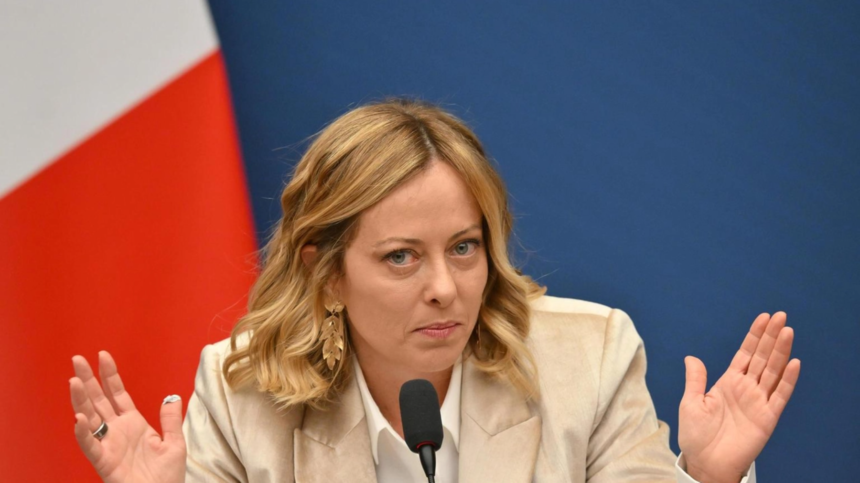
Prime Minister Giorgia Meloni announced on Thursday, April 30, 2026, that the Italian government will extend state tax cuts on fuels for an additional three weeks. The decision comes as Rome grapples with a significant disparity in market prices between gasoline and diesel, the latter of which has seen a sharp 24% spike in recent weeks.
The extension is designed to provide immediate relief to transport sectors and commuters while the government simultaneously prepares a massive €10 billion long-term investment plan to address Italy’s worsening housing crisis.
The “Diesel-First” Fuel Strategy
In a departure from previous flat-rate tax cuts, the Meloni administration is implementing a tiered reduction based on the specific inflation rates of different fuels.
- Diesel Relief: Taxes on diesel will be reduced by 20 cents per liter. Meloni noted that diesel has surged by 24%, necessitating a more aggressive intervention to protect the supply chain and logistics sectors.
- Gasoline Reduction: Tax cuts for gasoline will be limited to 5 cents per liter, reflecting a more modest 6% price increase.
“We have observed a major imbalance between the price of gasoline and transport diesel,” Meloni stated. “This targeted measure ensures that our intervention is proportionate to the actual market pressure felt by Italian families and businesses.”
Addressing the Housing Shortage
Beyond immediate energy costs, the Prime Minister unveiled a decade-long National Housing Plan aimed at easing the burden of rising rents and property prices in major urban centers.
Key components of the Housing Plan:
- Target: Construction and provision of 100,000 apartments over the next 10 years.
- Accessibility: Units will be categorized as social housing or offered at strictly controlled market rates.
- Funding: The government has committed €10 billion in public funds, which is expected to trigger significant private sector investment to multiply the project’s total value.
Regional Economic Context (April 30, 2026)
Italy’s moves reflect a broader trend across Southern Europe and the Balkans, where governments are struggling to balance energy subsidies with long-term infrastructure goals.
| Country | Key Economic Action (April 2026) | Primary Concern |
| Italy | Fuel Tax Cuts / €10B Housing Plan | Diesel Inflation & Urban Rents |
| Kosovo | Approved Q1 Budget / Diaspora Outreach | Election Costs & Investment Promotion |
| Albania | Reviving Naval & Aviation Industry | Defense Sovereignty & NATO Synergy |
| Serbia | Classified Defense Pacts | Security Ties vs. Regional Diplomatic Pressure |
Analysis: The Political Balancing Act
By extending the fuel subsidy for only three weeks at a time, Meloni maintains fiscal flexibility amid a volatile global oil market, currently impacted by ongoing tensions in the Middle East and the Strait of Hormuz.
However, the shift toward a massive housing investment signals that the administration is preparing for a “post-inflation” era, focusing on structural domestic issues that have fueled social discontent in cities like Rome, Milan, and Naples.