The Party of Democratic Action (SDA) of Sandžak has called for the immediate resignation of all Bosniak representatives from the Serbian Government, citing Belgrade’s intensifying security and military cooperation with Israel as an “untenable betrayal” of moral and humanitarian principles.
The demand, issued on Thursday, April 30, 2026, marks a significant escalation in regional political tensions as Serbia pivots toward a closer strategic alliance with the Israeli government amidst the ongoing conflict in the Middle East.
The “General Security Agreement” Spark
The SDA’s ultimatum follows the recent signing of a “General Security Agreement on the Exchange and Mutual Protection of Classified Defense Data” between the ministries of defense of Serbia and Israel.
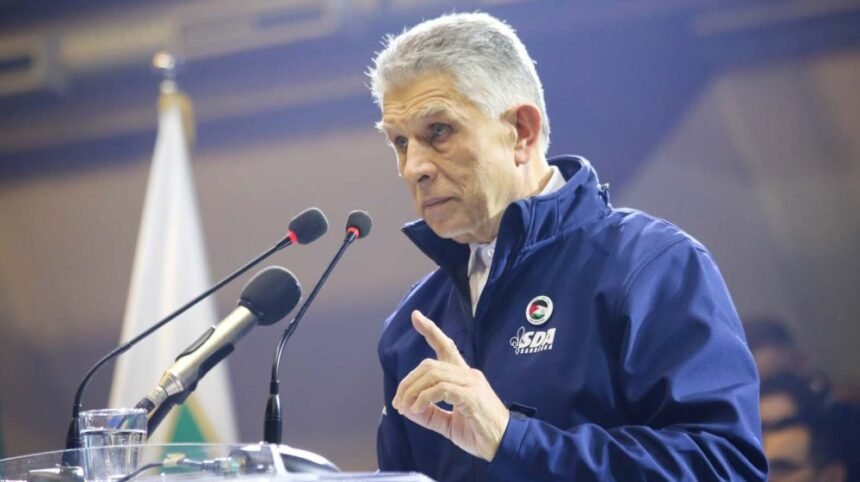
In a sharply worded statement, the SDA Sandžak—led by Sulejman Ugljanin—condemned the pact as a formal endorsement of what they characterized as “genocidal policies” in Palestine.
“At a time when many countries worldwide are severing cooperation with the Government of Israel due to the organized genocide in Palestine, the current Government of Serbia is expressing support for Zionist policy through this agreement,” the party stated. “While citizens in Tel Aviv protest against their own government, Belgrade is publicly choosing to stand with the Israeli regime.”
A Coalition in Crisis?
The call for withdrawal is specifically targeted at the two high-ranking Bosniak officials serving in President Aleksandar Vučić’s cabinet:
- Husein Memić: Minister of Tourism and Youth (Social Democratic Party of Serbia – SDPS).
- Usame Zukorlić: Minister without Portfolio in charge of Reconciliation, Regional Cooperation, and Social Stability (Justice and Reconciliation Party – SPP).
The SDA argued that by remaining in their posts, these ministers serve as a “democratic facade” for a foreign policy that runs contrary to the sentiments of the Bosniak population and the wider Muslim world.
The Diplomatic Context
The friction in Sandžak coincides with a broader warming of ties between Belgrade, Jerusalem, and Washington.
- The Hebrew Address: Earlier this week, the Israeli Embassy praised Serbian Foreign Minister Marko Đurić for his formal address delivered in Hebrew, a gesture viewed as a milestone in bilateral diplomacy.
- The “Special Relationship”: Analysts suggest that Serbia is positioning itself as Israel’s primary strategic partner in the Balkans, a move that aligns with the second Trump administration’s Middle East strategy, which emphasizes bilateral security frameworks.
The Internal Bosniak Divide
The SDA’s demand highlights a deep ideological rift within the Bosniak political bloc in Serbia:
| Political Entity | Stance on Government | Strategic Rationale |
| SDA Sandžak | Opposition | Calls for total withdrawal to protest pro-Israel security pacts. |
| SDPS (Memić) | Governing | Focuses on economic development and tourism investment in the Sandžak region. |
| SPP (Zukorlić) | Governing | Advocates for institutional presence to drive regional reconciliation and stability. |
Neither Minister Memić nor Minister Zukorlić has yet issued a formal response to the SDA’s demand. In the past, both have argued that their presence in the government is essential for securing state investments in infrastructure and education for the Sandžak region, which has historically been underdeveloped.
However, as the humanitarian situation in the Middle East continues to dominate global headlines, the political cost of this “seat at the table” appears to be rising for Serbia’s minority leaders.