As the anniversary of the March 2004 unrest approaches, several Serbian media outlets continue to present the events in a one-sided, propagandistic manner. Their reports often focus solely on Serbian victims while minimizing or misrepresenting the experiences of Albanians and other affected communities, creating a distorted narrative of what actually happened.
The Real Events of March 2004
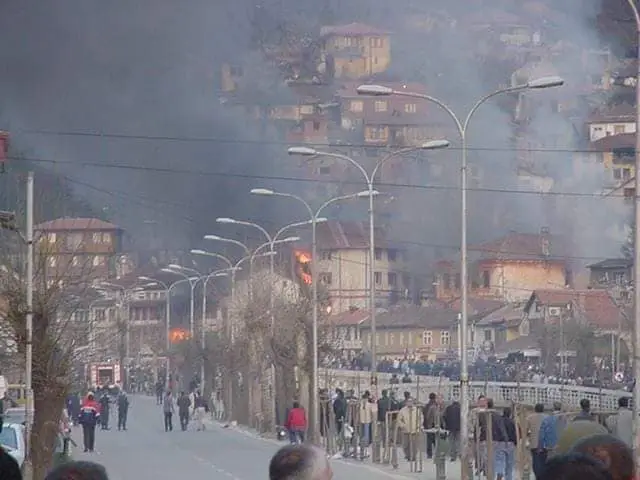
On March 17, 2004, protests erupted in Kosovo, which quickly escalated into large-scale ethnic unrest. The violence lasted two days and had severe consequences for communities across the country:
- 19 civilians were killed, including 11 Albanians and 8 Serbs.
- Over 900 people were injured, mostly Albanians.
- Approximately 4,000 people were displaced from their homes.
- Hundreds of houses and religious sites were damaged, including 35 Serbian Orthodox monasteries and churches.
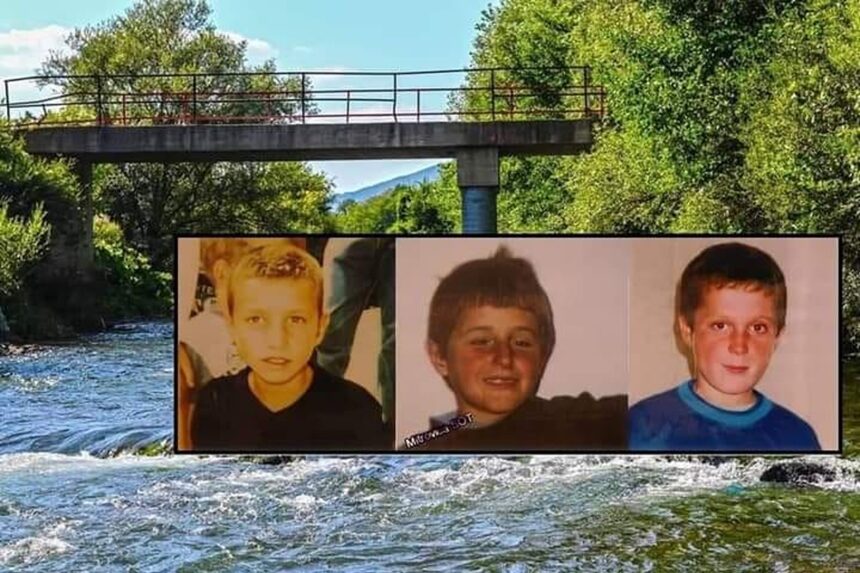
The immediate trigger was the tragic death of three Albanian children in the Ibar River. Survivors reported that they had been chased by Serbs, and while fleeing, some of their peers drowned. This horrific incident ignited anger and tensions across multiple towns, leading to violent outbreaks over the following two days.
Serbian Media Propaganda
Many Serbian media outlets portray the unrest as a coordinated attack solely against Serbs, assigning full blame to Albanians and ignoring the violence experienced by Albanian, Roma, and Ashkali communities. These reports:
- Focus only on Serbian victims.
- Present the events as caused merely by a “false news story,” ignoring the broader context of post-war tensions.
- Minimize the tragedy of Albanian children and the trauma suffered by Albanian families.
Such reporting constitutes propaganda, distorting public perception and failing to honor the victims or the lessons that should be learned from history.
Verified Facts and International Reports
Organizations like Human Rights Watch and UNMIK documented that the unrest was a widespread wave of violence, not an isolated incident. International security forces were unable to protect minority communities at the peak of the unrest. Reports clearly show that Albanians, including the children who died in the Ibar, were primary victims of the violence.
Consequences and Path Forward
The March 2004 unrest highlighted the urgent need for a serious approach to Kosovo’s stability. UN Secretary-General Kofi Annan tasked Norwegian diplomat Kai Eide to prepare a report on the situation, recommending the start of negotiations for Kosovo’s final status. Following these recommendations, on February 17, 2008, Kosovo declared independence, and the Kosovo Constitution came into force on June 15, 2008, granting the state full sovereignty and authority.
Revealing the Facts Behind the March 2004 Unrest
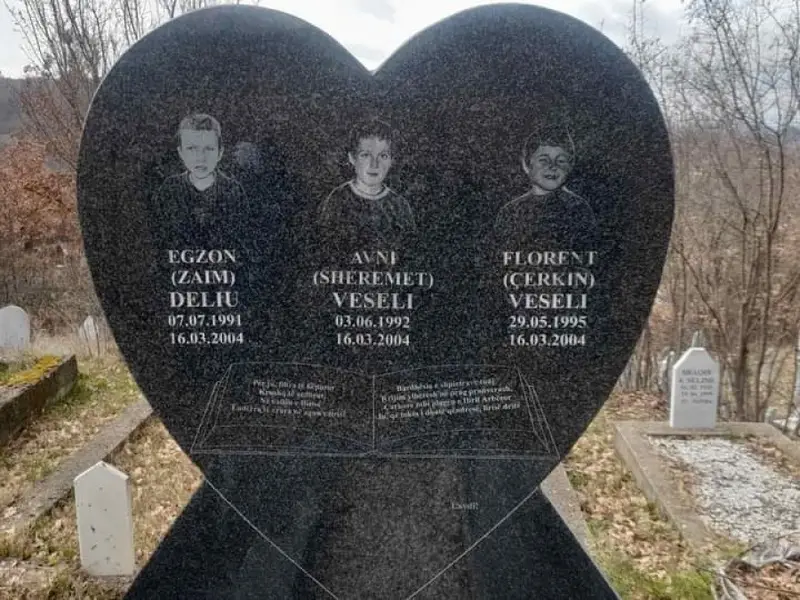
The March 2004 unrest was a tragic episode with deep consequences for all communities in Kosovo.While some Serbian media continue to reproduce a one-sided, propagandistic narrative, verified facts show that Albanians were the primary victims in many incidents, and the tragedy of the children in the Iber River is a documented reality.
Only through professional, fact-based reporting from neutral sources can the events be accurately understood, and the lessons for the future properly learned.