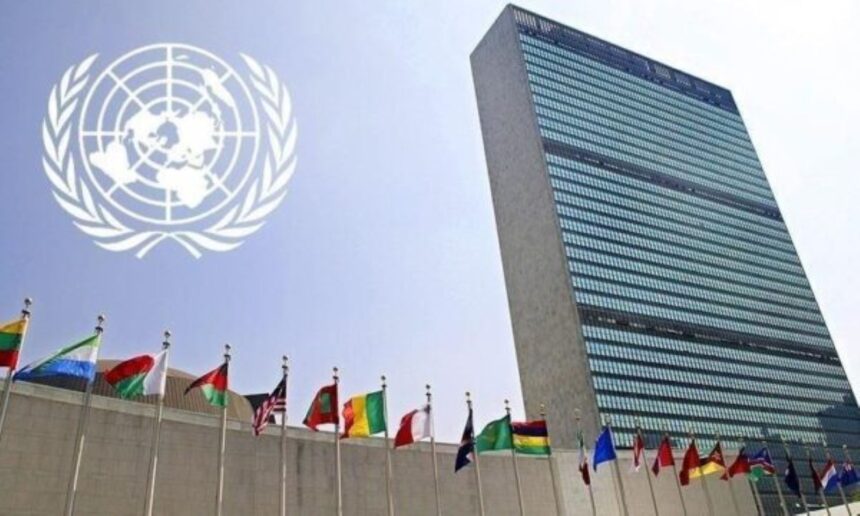
The United Nations Office of the High Commissioner for Human Rights (OHCHR) issued a harrowing report today, April 29, 2026, detailing a sharp increase in state-led repression in Iran. Since the outbreak of the armed conflict with the U.S. and Israel in late February, Iranian authorities have reportedly executed at least 21 individuals and arrested more than 4,000 people.
UN Human Rights Chief Volker Türk expressed profound alarm, stating that the Iranian government is utilizing “national security-related charges” to systematically silence dissent under the shadow of war.
Execution and Arrest Data (Feb – April 2026)
The UN documented that the executions were carried out amidst a wider crackdown on domestic opposition and past protest movements.
- Protest-Related: At least 9 individuals were executed in connection with the widespread anti-government protests that rocked the country in January 2026.
- Political Opposition: 10 people were executed for alleged membership in various opposition groups.
- Espionage: 2 individuals were executed on charges of spying.
- Mass Detentions: Since February 28, an estimated 4,000+ individuals have been detained on vague national security grounds.
Allegations of Brutality and Torture
The UN statement highlighted a disturbing pattern of human rights violations within the Iranian penal system:
- Forced Disappearances: Many of the 4,000 detainees have been moved to undisclosed locations.
- Coerced Confessions: Reports indicate the use of “televised confessions” and mock executions to extract information or public admissions of guilt.
- Lethal Force in Prisons: In Chabahar Prison, security forces reportedly used lethal force against detainees protesting the suspension of food distribution, killing at least five people.
- Targeting Dissent: High-profile activists, including Nobel laureate Narges Mohammadi, continue to face deteriorating health conditions in custody.
“I am appalled that—on top of the already severe impacts of the conflict—the rights of the Iranian people continue to be stripped from them by the authorities, in harsh and brutal ways,” said Volker Türk.
The Wider Context: War and Internal Stability
The report notes that the conflict, which began with joint U.S.-Israeli strikes on Iranian military infrastructure in late February 2026, has provided a pretext for the government to tighten its grip.
- Internet Blackout: Iran is currently experiencing one of the world’s longest state-imposed internet shutdowns, severely limiting the flow of information.
- Minab School Strike: The UN also highlighted the humanitarian cost of the war itself, citing the recent bombing of the Shajareh Tayyebeh Elementary School in Minab, which resulted in 168 casualties.
UN Recommendations
The OHCHR has called for the following immediate actions:
- An immediate moratorium on the death penalty.
- The release of all individuals arbitrarily detained for exercising their right to free speech.
- Full access to legal counsel for those facing national security charges.
- An end to the use of torture and televised coerced confessions.