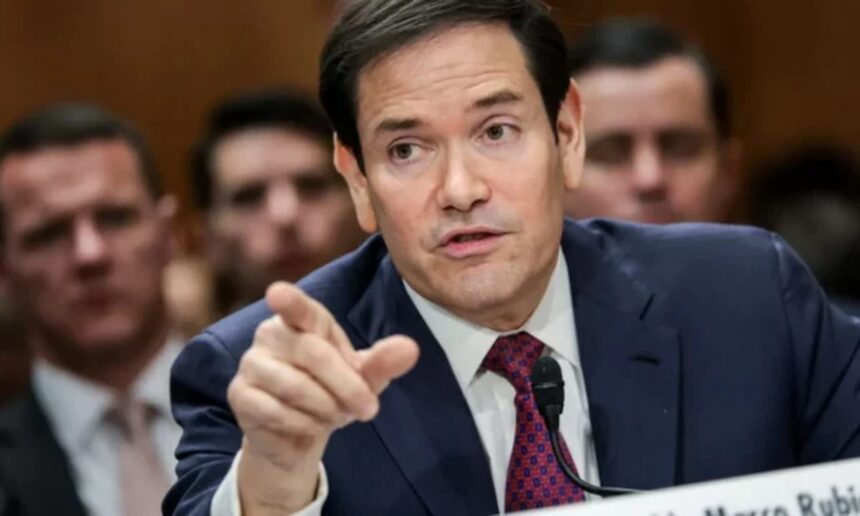
U.S. Secretary of State Marco Rubio announced new sanctions targeting Cuba’s military-industrial sector and a state-owned natural resources company, increasing pressure on the Cuban leadership by targeting foreign investment channels.
Last week, U.S. President Donald Trump signed an executive order expanding American sanctions against Cuba.
Under the order, the Trump administration is targeting GAESA, a military conglomerate that U.S. officials say controls at least 40% of the Cuban economy, along with its chief executive, Ania Guillermina Lastres Morera.
The measures also target Moa Nickel SA, a joint venture between Toronto-based Sherritt International Corp and Cuba’s state nickel company, which extracts nickel and cobalt.
The Trump administration has also significantly restricted U.S. travel and remittances to the island and has taken steps to discourage regional allies from employing Cuban doctors — a long-running program Cuba promotes as an act of solidarity but which also serves as a major source of foreign currency.
“Today’s sanctions demonstrate that the Trump administration will not stand by while the communist regime in Cuba threatens our national security,” Rubio wrote on X.
“We will continue taking action until the regime carries out all necessary political and economic reforms,” he added.
For decades, the United States has demanded that Cuba open its state-controlled economy, compensate for property seized during the government of Fidel Castro, and hold what Washington describes as “free and fair” elections.
Cuba has stated that its socialist system of governance is non-negotiable. Senior Cuban officials accuse Washington of implying military action to “liberate” Cuba and argue that decades of U.S. sanctions are the main cause of the island’s economic and social difficulties.