A comprehensive report published on May 11, 2026, by analyst Maryam Mahmud, has exposed the sophisticated mechanisms Russia is utilizing to bypass Western energy sanctions, raising urgent questions for the U.S. Treasury and its G7 allies.
Despite the Biden administration’s January 2025 rollout of its largest-ever sanctions package—targeting 183 vessels—the report reveals that Moscow’s oil revenue remains robust, fueled by a “shadow fleet” and a complex web of intermediaries in the Middle East.
The “Shadow Fleet” in Action
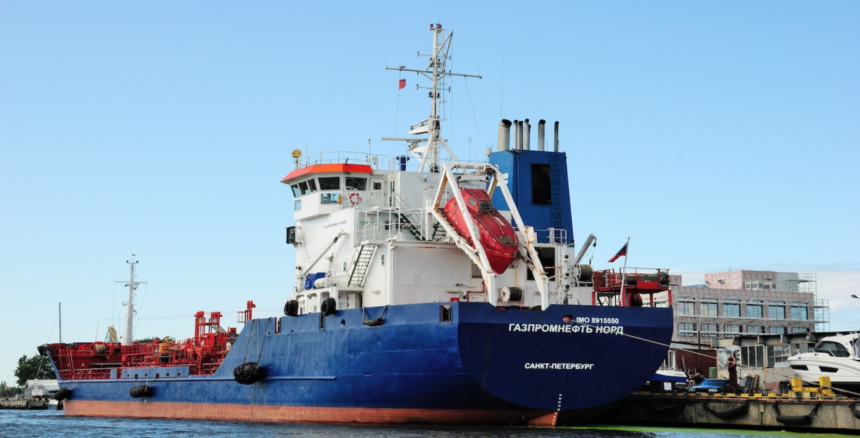
The report highlights the tanker Viktor Titov as a prime example of the policy’s current limitations. Shortly after being blacklisted by Washington, the vessel successfully delivered a full cargo of Sokol crude to Qingdao, China.
This success is part of a broader “pivot to Asia” that has allowed Russia to effectively substitute its lost European markets:
- India: Now sources 36% of its crude from Russia, up from just 2% before the 2022 invasion.
- China: Russian crude now accounts for 20% of total imports.
- Price Cap Failure: Evidence suggests Russian ESPO crude has consistently traded above the $60 G7 price cap, earning Moscow an estimated $9 billion in “excess” revenue that the cap was designed to prevent.
The “Repackaging” Hub: Dubai
A central pillar of Russia’s evasion strategy is the use of commodities trading firms registered in the Dubai Multi Commodities Center (DMCC). These intermediaries act as a financial “laundry,” obscuring the origin of sanctioned oil before it reaches its final destination.
The report identifies firms like Forteza Trading DMCC and Alghaf Marine DMCC as key players. By utilizing United Arab Emirates (UAE) commercial secrecy laws and performing ship-to-ship (STS) transfers, these entities “repackage” Russian naphtha and crude as originating from the UAE. When one firm is sanctioned—as happened with Litasco Middle East DMCC in July 2025—new entities are immediately established to absorb the contracts, creating a “whack-a-mole” challenge for Western regulators.
Strategic Recommendations for Washington
Mahmud argues that the Western “price cap” model was designed for a 2022 reality and has failed to adapt to a 2026 landscape where the Ukraine war remains frozen but Russia’s treasury is replenishing. To break the cycle, the report suggests three “actionable frameworks”:
- Secondary Sanctions: Leveraging the dominance of the U.S. dollar system to block any intermediary—including those in Dubai—that facilitates the trade of Russian oil above the cap.
- Registry Targeting: Penalizing the international maritime registries that allow “flag-hopping,” where shadow vessels frequently change their national registration to evade detection.
- Insurer Liability: Increasing the cost of non-compliance for the third-party insurance and classification societies that allow these aging tankers to operate in international waters.
The Geopolitical Stakes
The findings arrive at a critical juncture for the Trump administration, as it seeks to balance domestic energy costs with the need to degrade Russia’s military capabilities. Critics argue that without a significant shift toward secondary sanctions, the Viktor Titov and its peers will continue to provide the Kremlin with the financial bridge needed to sustain long-term hostilities.
“Political will must emerge,” the report concludes, “not only to recognize the shortcomings of current policies but to replace them with frameworks that prevent the simple substitution of Russia’s export markets.”