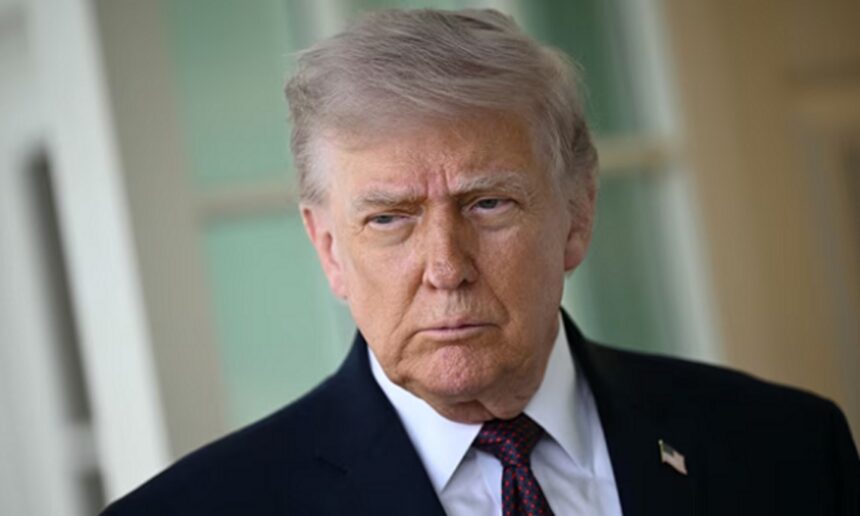
In a notable shift from his previous hardline rhetoric, U.S. President Donald Trump announced that he would accept a 20-year suspension of Iran’s nuclear program, provided the deal includes airtight guarantees from Tehran.
Speaking to journalists aboard the presidential aircraft on May 15, 2026, following his high-stakes bilateral summit with Chinese President Xi Jinping in Beijing, Trump indicated a newfound flexibility regarding the timeline of a potential diplomatic breakthrough.
“A Real 20 Years”
When asked by reporters whether a multi-decade freeze would suffice to resolve the ongoing standoff, Trump adjusted his previous demand for a permanent, absolute ban on Iranian uranium enrichment.
“Twenty years is enough, but the level of guarantee from them—it’s got to be a real 20 years,” Trump stated, emphasizing that Washington would not settle for vague diplomatic promises.
The statement marks a distinct departure from Trump’s prior position. The President had previously insisted that Iran permanently dismantle its nuclear infrastructure, arguing that a temporary freeze would simply pass a dangerous geopolitical problem down to a future administration.
Context: Post-Conflict Diplomacy and the Beijing Summit
The diplomatic breakthrough comes amid intense efforts to transition last month’s tenuous U.S.-Iran ceasefire into a lasting peace pact following a sharp military conflict earlier this year.
Key details emerging from the President’s trip to China include:
- Sino-U.S. Consensus: Trump revealed that he and President Xi Jinping explicitly agreed that Iran must be permanently barred from developing a nuclear weapon and must immediately reopen the economically vital Strait of Hormuz to international shipping traffic.
- Sanctions Relief Leverage: Trump stated he is actively considering lifting U.S. sanctions on Chinese companies that purchase Iranian oil, noting that a final decision on the matter would be announced in the coming days.
- Missile Degradation Claims: Trump defended the impact of recent U.S. military operations, asserting that Iran’s ballistic missile stockpile has been degraded by 80%.
Iranian Response: Scepticism in Tehran
While Trump expressed a willingness to compromise on the timeline, the reaction from Tehran remained guarded. Speaking from the sidelines of the BRICS summit in New Delhi, Iranian Foreign Minister Abbas Araghchi expressed deep mistrust regarding Washington’s sincerity.
Araghchi acknowledged that Tehran had received backchannel messages indicating the U.S. remains open to continued interaction, despite Trump recently tweeting that initial Iranian proposals were “unacceptable.” However, Araghchi reiterated that Iran would only return to the negotiating table once it feels assured that the U.S. is ready for a “fair deal” that addresses the lifting of maritime blockades on Iranian ports.
With global oil prices fluctuating around $109 per barrel due to persistent anxieties over Middle Eastern shipping lanes, Trump warned that his patience is running thin. The next few weeks of Pakistan-mediated talks will determine whether this 20-year moratorium proposal can break the current diplomatic deadlock.