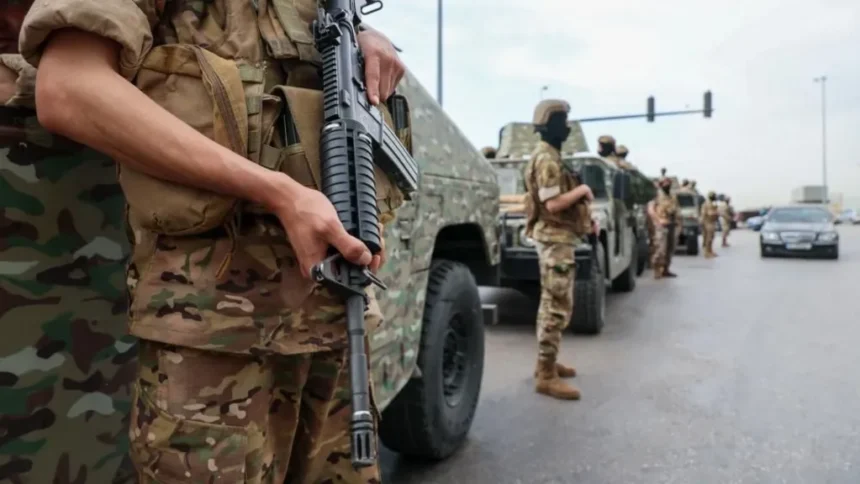
Israel and Lebanon have agreed to a 45-day extension of their highly volatile ceasefire following two days of intensive, closed-door negotiations in Washington, the U.S. Department of State announced on Friday evening, May 15, 2026.
The extension aims to provide a diplomatic buffer zone to prevent the cross-border conflict from escalating back into full-scale warfare.
Seeking a Permanent Blueprint for Peace
State Department Spokesperson Tommy Pigott confirmed the diplomatic breakthrough, expressing cautious optimism that the temporary freeze could pave the way for a more permanent resolution.
“We hope that these discussions will advance lasting peace between the two countries, full recognition of each other’s sovereignty and territorial integrity, as well as the establishment of real security along the shared border,” Pigott stated during a press briefing.
To solidify the truce, the State Department outlined two critical upcoming milestones:
- Military Security Channel: On May 29, 2026, a dedicated security hotline and joint channel will be launched at the Pentagon, featuring military delegations from both Israel and Lebanon to manage immediate border friction.
- Political Negotiations: The formal, comprehensive political track for long-term peace negotiations is scheduled to officially resume in June 2026.
A Ceasefire Marred by Persistent Violence
The 45-day extension comes amid deep skepticism over the efficacy of the truce on the ground. U.S. President Donald Trump initially brokered and announced the ceasefire on April 16, 2026. However, the agreement has repeatedly threatened to unravel due to continuous skirmishes.
Despite the formal agreement, Israel and the Lebanon-based militant group Hezbollah have consistently exchanged cross-border fire. The human toll of these violations remains devastatingly high:
- Recent Air Strikes: Just days prior to the Washington talks, the Lebanese Ministry of Health reported that Israeli airstrikes in southern Lebanon killed 22 people, including eight children.
- Border Volatility: Both sides continue to accuse each other of operational violations along the Blue Line, making the 45-day extension a vital but incredibly fragile diplomatic lifeline.
The Pentagon’s direct involvement in late May is seen by international observers as a necessary move to establish clear communication channels between the two militaries, aiming to prevent localized skirmishes from triggering a broader regional conflagration before political talks open next month.