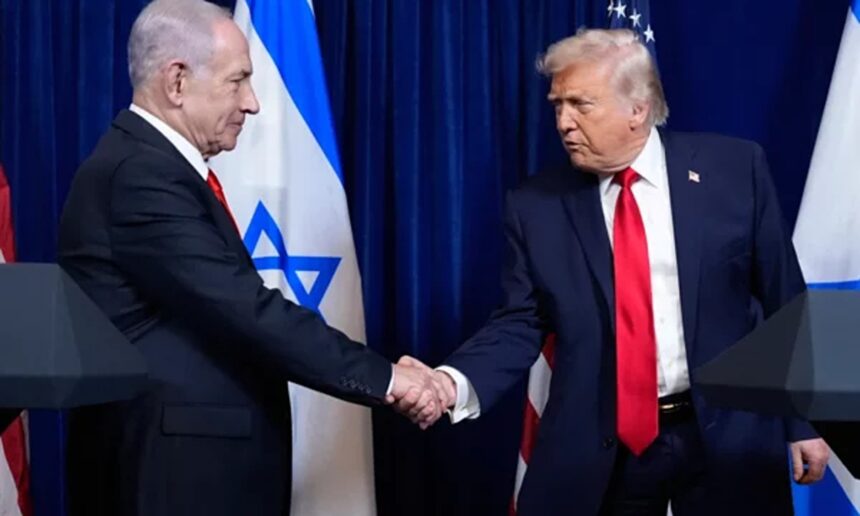
CNN reports that U.S. President Donald Trump and Israeli Prime Minister Benjamin Netanyahu held a tense phone call on Tuesday, highlighting growing disagreements over how to proceed with the conflict involving Iran.
According to a U.S. official cited by CNN, the call reflected fundamentally different approaches: Trump is pursuing a diplomatic path, while Netanyahu continues to push for a more aggressive military response.
The conversation followed another call over the weekend, during which Trump reportedly indicated possible targeted strikes against Iran early in the week. However, roughly 24 hours later, he paused the planned military action, citing requests from Gulf allies including Qatar, Saudi Arabia, and the United Arab Emirates.
Trump told reporters on Wednesday that negotiations were at a critical stage, stating: “We are in the final stages with Iran. We will see what happens. Either we will have a deal or we will do some things that are not pleasant.”
He emphasized that diplomacy remains his preferred option, suggesting that additional time could prevent further escalation and save lives.
Netanyahu, however, reportedly expressed frustration during the call, warning that delaying military action would benefit Tehran. Israeli officials, according to CNN sources, favor a more immediate and forceful approach.
One Israeli source said the disagreement was clear: “Trump wants to see if a deal can be reached, Netanyahu expects something different.”
The report also indicates that Israeli officials close to Netanyahu are increasingly frustrated with Washington’s diplomatic approach, arguing that Iran is using negotiations to delay action.
Despite pressure from Israel, Trump has maintained that the U.S. has not ruled out military options, though he continues to prioritize a negotiated settlement.
Meanwhile, Iranian and U.S. officials are reportedly still exchanging messages via intermediaries, including Pakistan, as diplomatic efforts continue. However, key issues—such as Iran’s nuclear program and frozen assets—remain unresolved.