World Meteorological Organization has warned that a possible El Niño event could develop by mid-2026, with significant impacts on global temperatures and rainfall patterns.
Meteorologists say that a particularly strong so-called “super El Niño” could influence weather conditions as early as this summer, with even more pronounced effects expected in 2026 and 2027. Climate experts suggest that both years could potentially break global temperature records.
A super El Niño refers to an unusually strong warming of the surface waters in the Pacific Ocean, which disrupts weather systems across multiple continents. Its impacts typically include more intense heatwaves, prolonged droughts, heavy rainfall, and flooding.
According to climate data, the previous El Niño event occurred in 2023–2024 and contributed to 2024 becoming the warmest year on record since measurements began.
Climatologist Daniel Swain of the University of California has warned that both 2026 and 2027 could bring unprecedented global temperature extremes. Meanwhile, meteorologist Tido Semmler from the Irish Meteorological Service noted that the full climatic impact of such events can lag, meaning the strongest effects could extend into 2027.
Fire risk experts are also raising concerns, warning that El Niño increases the likelihood of extreme heat and drought in regions such as Australia, Canada, the United States, and the Amazon rainforest.
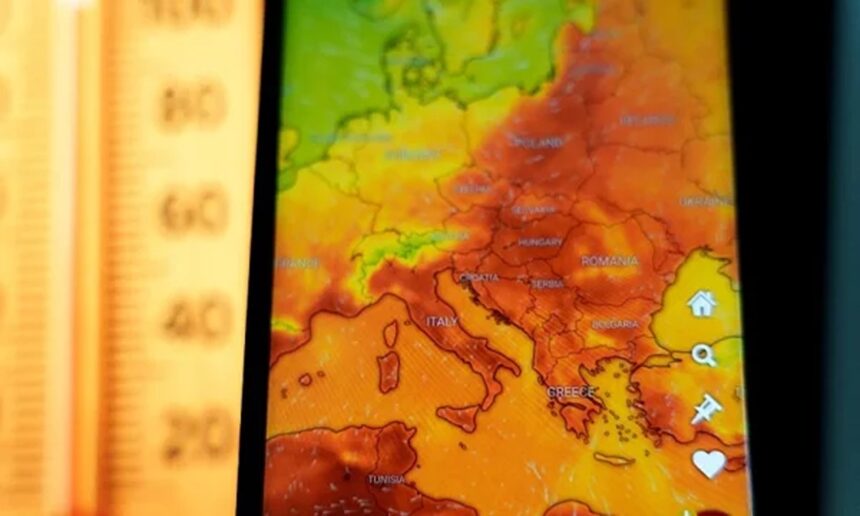
Separately, meteorological services warn that Europe could face a sudden weather shift later this month, with the development of a strong heat dome trapping hot air and potentially driving temperatures to extreme levels.
Experts say that if these projections materialize, the coming years could bring some of the most severe climate-related weather events in modern history.